To mark this year's International Day for Street Children, Toybox's Director of Impact and Programmes Naomi Hall Opiyo reflects on the injustices thousands of children face daily and the action needed to protect thier rights.
The UN Convention on the Rights of the Child (CRC) is clear: every child accused of breaking the law has the right to legal assistance, fair treatment, and support focused on rehabilitation rather than punishment. They should be protected from violence, abuse, and exploitation — and crucially, they have the right to be heard in any legal proceedings that affect them.
But for countless children living in street situations around the world, these rights exist only on paper. In reality, they face a daily battle for dignity and survival. This is an issue I feel very passionate about
When Survival Is Treated as Crime
Children who spend much of their lives on the streets routinely face harassment, discrimination, and inhumane treatment from law enforcement. Their rights are ignored — sometimes deliberately, sometimes because police and justice officials lack training in child protection and juvenile justice standards.
Sleeping outside, begging, street selling, even petty theft — these are rarely choices. They are survival strategies for children who have been failed by every safety net meant to protect them.
Without identity documents, legal knowledge, supportive adults, or access to education, children in street situations are easy targets for arrest. They are often rounded up for minor offences like loitering or vagrancy, and in some cases for more serious crimes, regardless of evidence. For many, the justice system is not a place of protection but a source of fear.
A System That Fails the Very Children Who Need It Most
Children and young people in street situations often carry the trauma of direct abuse by police or other justice actors. Many have witnessed arbitrary arrests of peers or family members — some who never return. Instead of being seen as victims of circumstance, they are treated as criminals by default.
In my work at Toybox, I travel several times a year to our partner organisations and meet the young people supported through our programmes. On every visit, I hear harrowing stories about encounters with those who should be protecting them. These include physical and verbal abuse, sexual violence, and in the most tragic cases, death.
Earlier this year, we grieved the loss of two boys — just 16 and 17 — who were part of a Toybox-supported project in Nairobi. They were shot dead by police during a neighbourhood disturbance. This happened shortly after Kenyan media reported the suspicious circumstances around the deaths of 15 street connected children in the capital in less than a month. Nine of those children were buried in a mass grave. The anger around these losses remains raw.
Glimpses of Hope — and the Urgent Need to Scale Them
On a visit to Nairobi a couple of years ago, I saw the powerful work our partner organisation is doing with Kenyan authorities: training justice actors on children’s rights, securing pro bono legal support, speeding up case processing, and securing alternatives to detention. These interventions have made a real change for hundreds of young people in parts of Nairobi county. But the need is vast, and similar initiatives are desperately needed across other counties to support more children and ensure juvenile justice provisions are well understood.
I still remember visiting a boys’ remand home — the high walls and razor wire on one side a stark, chilling reminder that Kenya’s maximum security prison is just next door. It is hard to imagine the level of fear for young people being brought there.
When a Parent Goes to Prison, Children Suffer Too
Another issue affecting children in street situations is the impact of parental incarceration. When a caregiver is arrested, a child’s already fragile support system collapses. Many children are pushed into street life simply to survive given loss of household income. They may face greater stigma, discrimination and trauma.
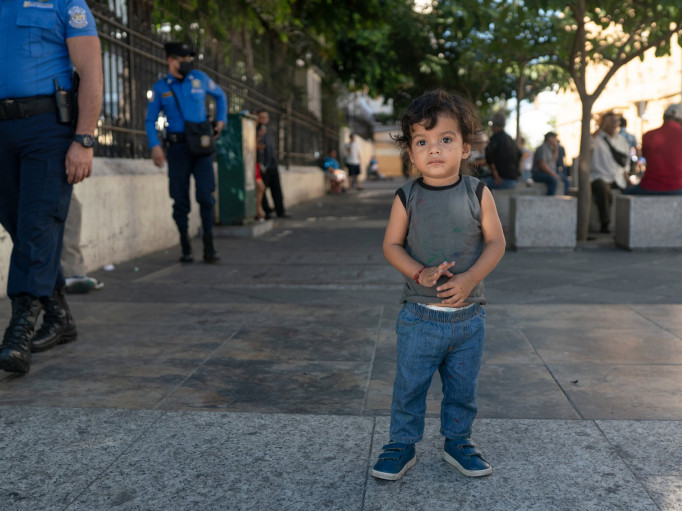
In El Salvador, this has been especially evident since the State of Exception was introduced in March 2022. Designed to curb gang violence, it has led to the suspension of several constitutional rights and mass arrests — including more than 3,000 children. Many have been detained arbitrarily, held in overcrowded and unsanitary conditions, and in some cases placed alongside adults.
The ripple effects are devastating: children left without caregivers, without income, without access to school or healthcare, and with the weight of responsibility for younger siblings. Some have been left orphaned after family members died in custody. And on one hand, while gang activity has reduced on the streets creating greater safety and security, on the other the constant police presence and uncertainty has fuelled widespread trauma, anxiety, and distrust of institutions.
On the International Day for Street Children
Today, we remember the thousands of children worldwide living in fear, hardship, and detention - many without legal defence or anyone to speak on their behalf.
Here at Toybox, we will continue working with partners and national actors to champion child friendly justice procedures. This work can be risky, and it takes time, but every small victory matters: the release of a child from unlawful detention, a case reviewed more quickly, or a young person offered rehabilitation instead of punishment. We will also keep supporting birth registration to protect children from arbitrary arrest, and education to strengthen their futures and ensure they know their rights.
Every child deserves justice, dignity, and the chance to be heard - no matter where they sleep at night.
Pictured below: Naomi Hall Opiyo, Toybox's Director of Impact and Programmes.
From remand to renewal: Read Joy's story