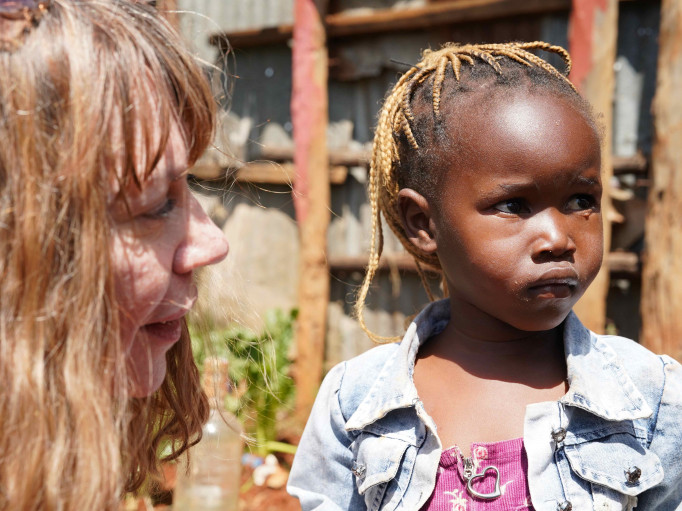
Pictured above: My visit to the urban farm in Nairobi, Kenya, where street children are growing safe and nutrtious food to eat and learning about sustainable farming.
Lately, amid everything going on in the world, I’ve been struck by the way children so often reflect the heart of compassion and justice. A friend recently told me about how her six-year-old son surprised her by asking for a litter picker for his upcoming birthday. When she asked why, he replied:
“It’s important that we pick up litter for making the environment better. If we leave it on the floor animals might get stuck in it.”
His words have stayed with me as we’ve heard more and more from our local partners in recent months about how climate change is deepening the injustice already facing children on the streets today.
Why Climate Change is a Street Child Issue
Across the countries where Toybox works, we are witnessing the devastating effects of climate change on the street children we support.
- In Kenya, recent floods washed away the makeshift homes of children in slum communities, leaving many without safety or belongings.
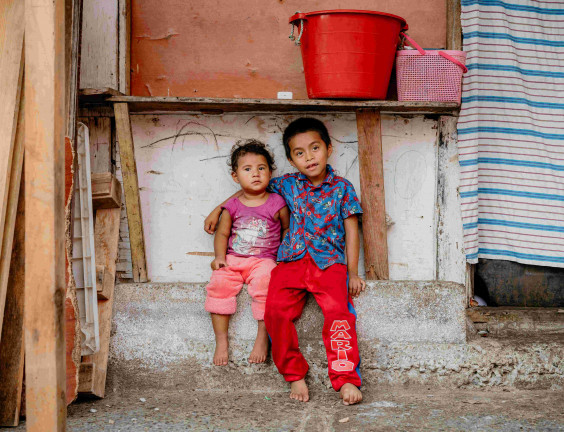
- In El Salvador and Guatemala, extreme weather is driving migration. Failed crops and food shortages are forcing families to make desperate decisions, leaving some children surviving alone on the streets of cities marked by violence and exclusion.
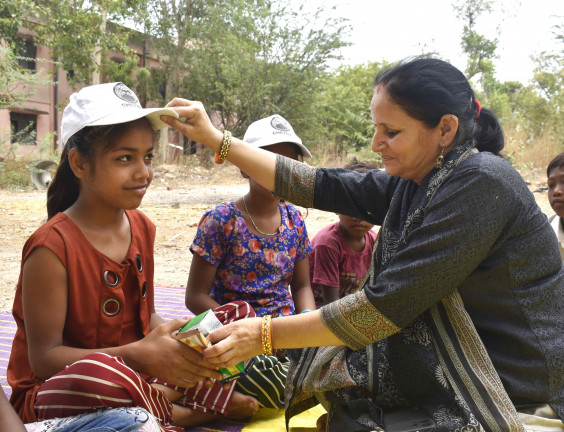
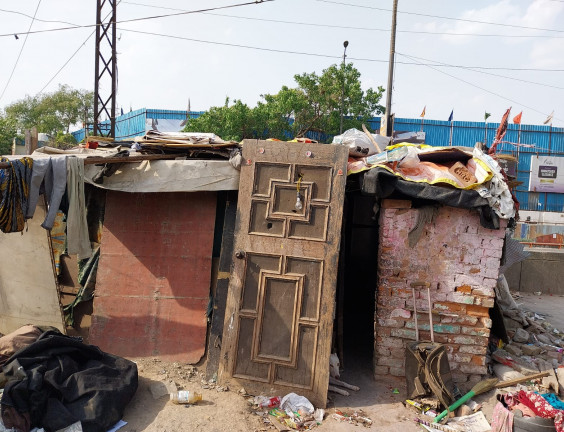
- In India, during heatwaves children selling at traffic signals or collecting recyclables must now endure temperatures exceeding 40°C. At night, tin or tarpaulin shelters offer little relief.
For children already denied their most basic rights, climate change is pushing food, water, safe shelter, education and protection even further out of reach.
And it’s not just physical risks. The emotional and spiritual toll is immense. Displacement. Hunger. Loss. For children already without a home, a family or even a legal identity, the burden is overwhelming.
Pictured below: (L) A shelter in a slum in Delhi, India. (R) Two young children on the streets outside La Terminal market in Guatemala City.
But still, there is hope
And yet, amidst these challenges, there is incredible hope. Thanks to people like you, we are not only able to respond when disasters strike but can walk alongside children as they rebuild their lives.
Together with our supporters we’re:
- Providing emergency food and shelter
- Reuniting children with education
- Offering vital psychological support
- Launching community-led projects to help families prepare for future shocks
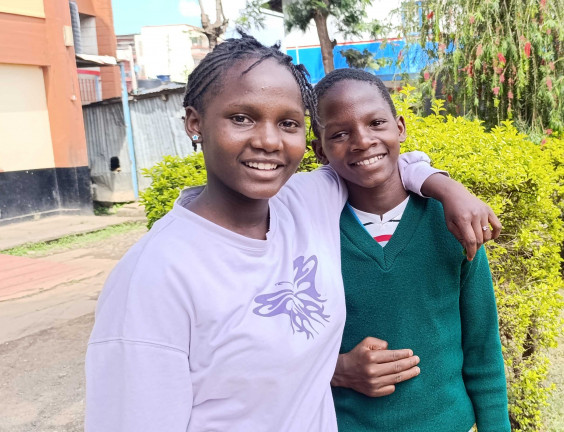
In our latest special update, you’ll meet some of these resilient children. Like the young leaders in Nepal, who stepped up to help others during severe flooding. Or 13-year-old Sokoro in Kenya, who lost his home but is now thriving in school and dreaming of becoming a mechanical engineer.
In the sweltering heat of India, you’ll be inspired by children who, despite living in difficult conditions themselves, have been caring for birds affected by extreme temperatures.
Walking with street children in a changing world
As a small organisation working alongside partners with deep roots in local communities, we are uniquely placed to act quickly and compassionately in a crisis. Our teams know children by name. They are already there before disaster strikes, and long after it ends.
Climate change may seem like an overwhelming challenge, but in the face of it, our mission remains the same - to walk alongside street children with dignity, justice and hope.
Pictured below: (L) Alongside our partner CHETNA, children in Jaipur, India, receive relief kits including electrolytes and caps during an intense heatwave. (R) 13-year-old Sokoro and his sister Baraka have been supported by PKL in Kenya to enrol in a new school after being displaced by recent floods.