See how we're bringing hope to children facing climate-related emergencies.
Across the world, the effects of climate change are becoming harder to ignore, particularly for children and families living in vulnerable situations.
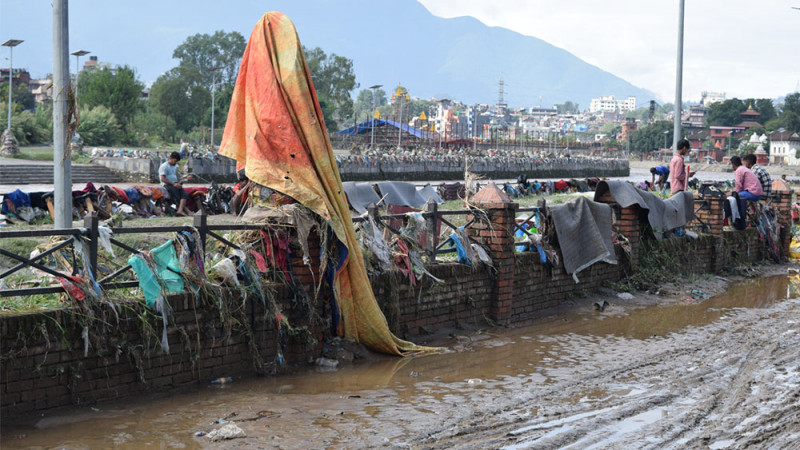
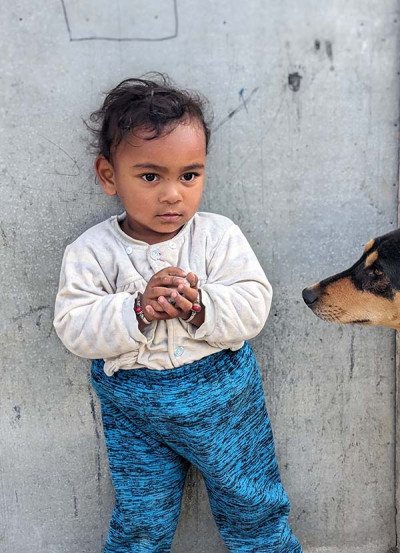
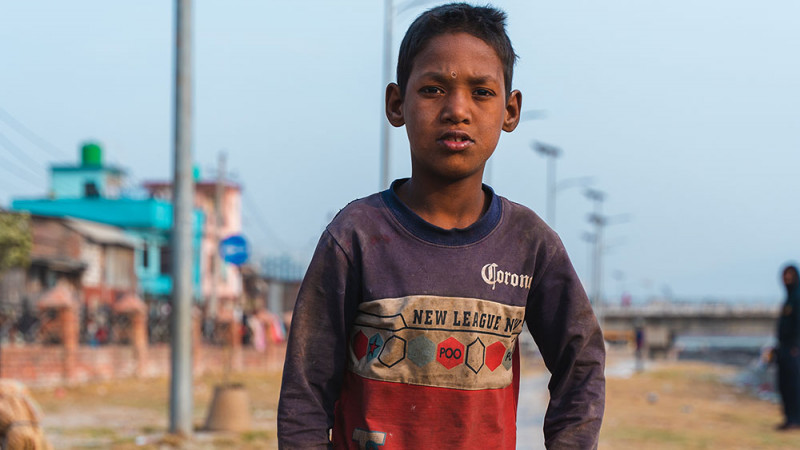
In Kathmandu, many slums are located along riverbanks, occupying land that dries up during the winter. However when the rainy season returns and the river begins to flow again, these settlements are severely affected, often resulting in significant financial losses and, tragically, loss of life.
In some cases, entire communities have been partially or completely submerged. In the chaos, people run for safety and children can easily become separated from their parents. There have been reports from our partner staff that the floods may be used for cover to take children targeted for trafficking.
Most slums lack proper drainage systems so all waste flows directly into the river. In the dry months the stagnant water becomes heavily polluted, creating breeding grounds for disease. Many people cannot afford medical treatment, leaving them especially vulnerable.
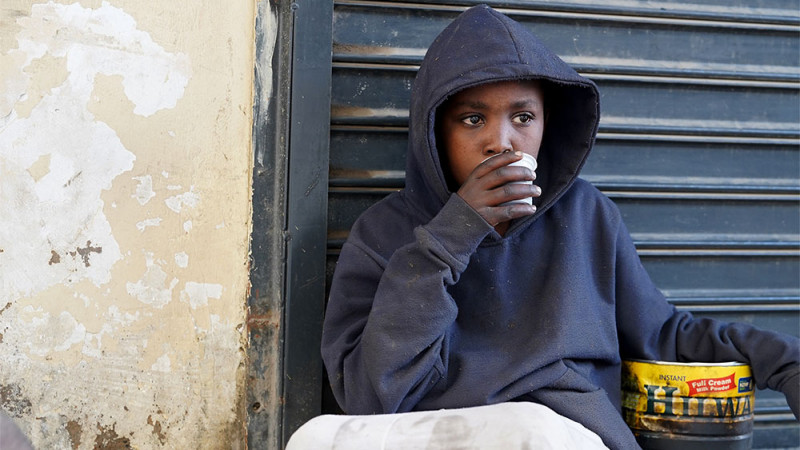
Street children in Nairobi are particularly vulnerable to the impacts of changing weather patterns.
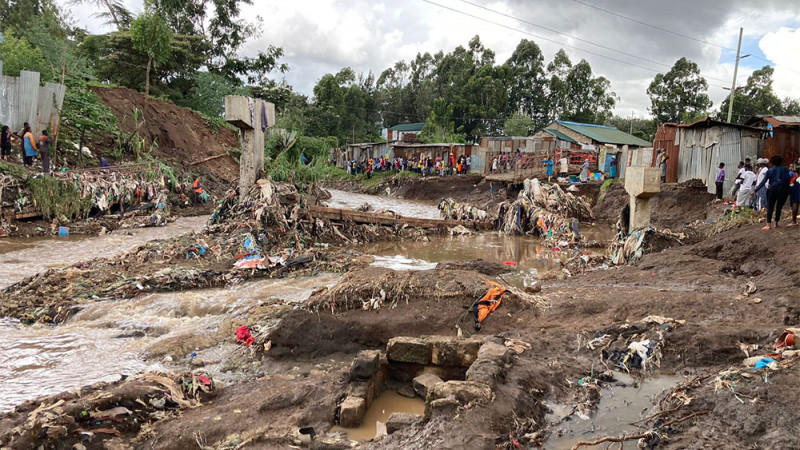
During the floods in summer 2024, their living spaces (mostly located in market stalls or under bridges and building verandas) were flooded, and makeshift shelters were swept away. Many lost what few belongings they had - clothes, blankets, food, and identity documents. Access to dry, safe sleeping spaces was nearly impossible to find. During this period, houses along riparian land were also demolished leaving many families homeless.
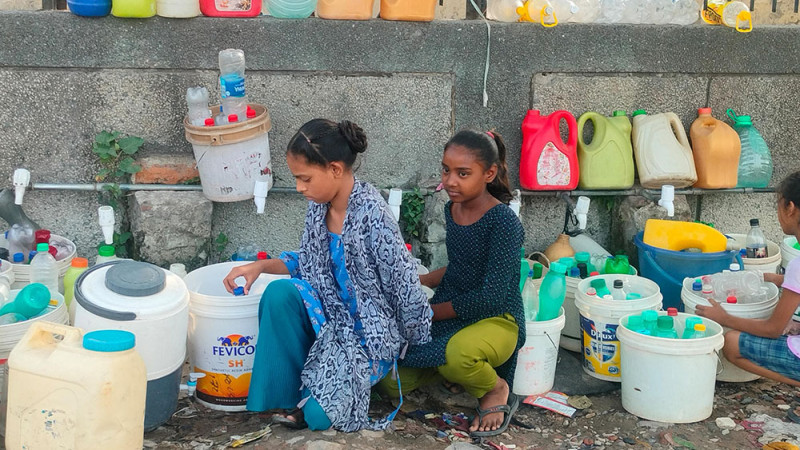
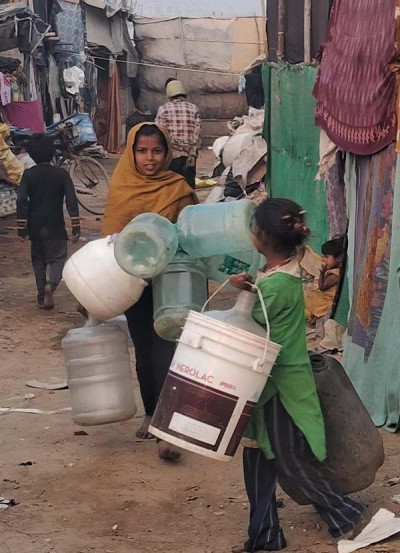
In early 2023, Kenya experienced an acute dry season. In the extreme heat, clean drinking water became scarce due to rationing and children were forced to find drinking water from other places, like local hotels. Most street children were not welcome in such places and treated as thieves.
These weather changes also affect food availability and increase health risk, like skin rashes and waterborne diseases like cholera and dysentery.
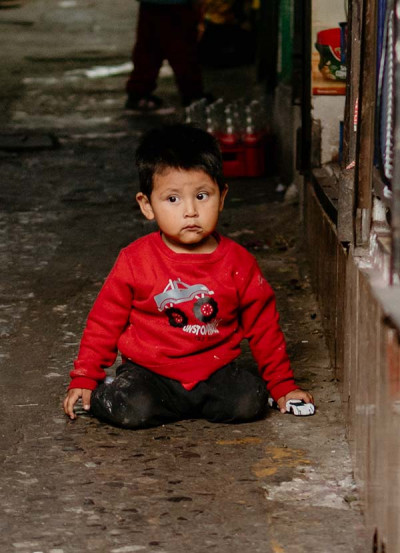
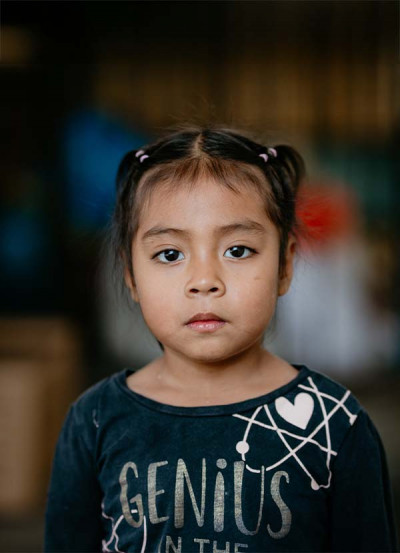
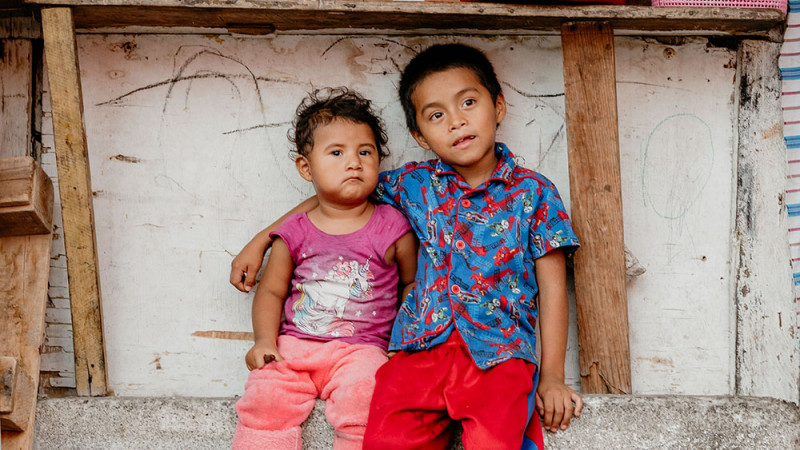
In recent years, El Salvador has been impacted by heavy rainstorms which have prevented children from attending school due to difficulty of travel. Sales in the markets decrease drastically due to the low flow of people, which affects families' abilities to earn and income and children's access to food.
Conversely, limited rainfall during dry season in San Salvador means there are days when water is restricted. As a result, drinking water has increased in cost and a lack of water for crops has increased the cost of fresh food.
In addition, the heat has increased animal pests such as bedbugs and flies and our partners have reported an increase in respiratory and gastrointestinal diseases among the children we work with, likely related to climate change.
In areas like Delhi and Jaipur, where summer temperatures often soar above 45°C, heatwaves have grown longer and more intense, posing serious health risks. The impact of these heatwaves on street children is devastating.
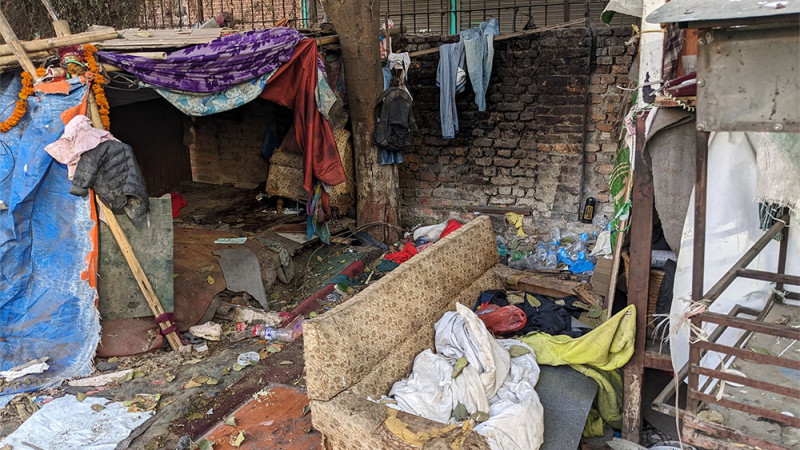
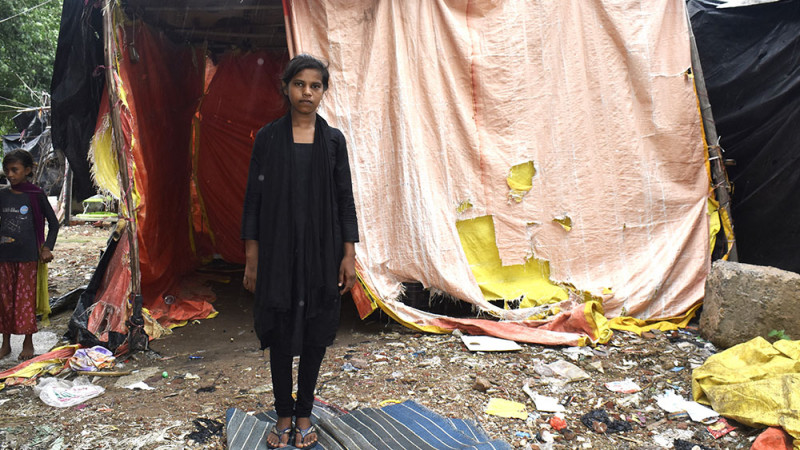
Many street children live in extremely vulnerable conditions like under plastic sheets, tin roofs, or in the open with no access to electricity, fans or clean water. During peak heat hours, these shelters turn into virtual ovens, making it almost impossible for children to rest, sleep or even breathe comfortably.
These extreme conditions can lead to dehydration, heat strokes, and skin rashes, especially affecting children whose bodies are still developing. The lack of basic sanitation, poor drainage and limited clean water intensify hardships for children and complicate our work.
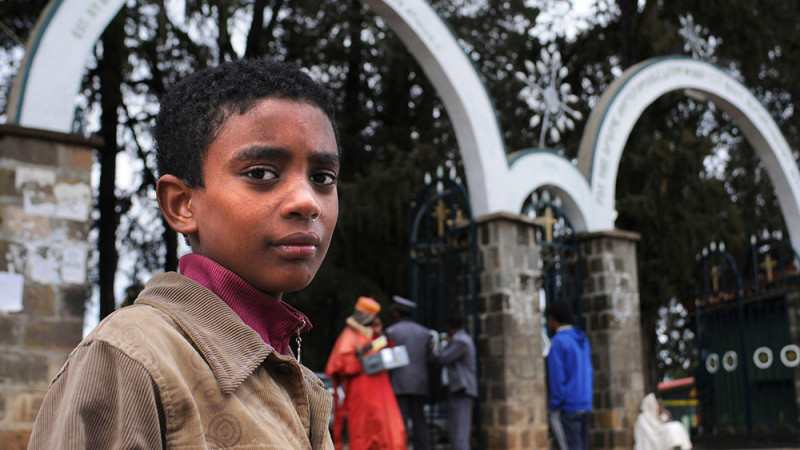
Adverse weather conditions, especially persistent drought and flooding, have created major challenges for children in Ethiopia.
Our partners are witnessing large-scale migration from rural areas to Addis Ababa. This displacement is largely driven by climatic difficulties, such as insufficient rainfall, which severely hamper agricultural productivity.
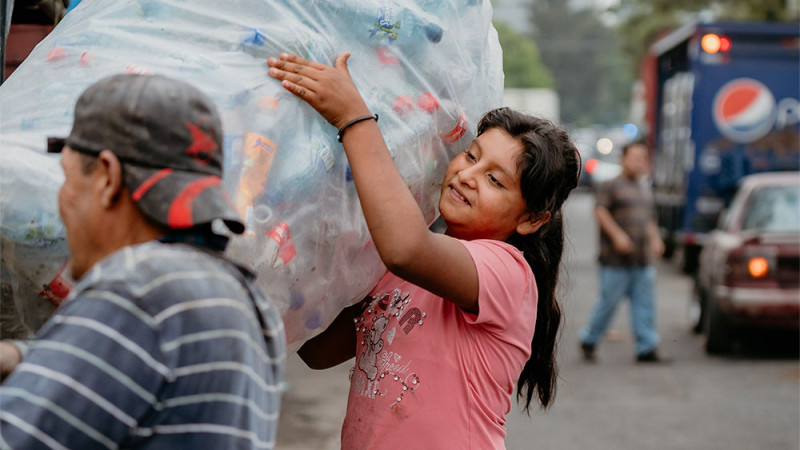
These climate-driven migrations force children into precarious living situations. The vast majority of displaced children are forced to live on the streets and lack even basic shelter. To survive, they often resort to various forms of street vending to earn enough for their daily sustenance. Consequently, their education is often entirely abandoned, and they drop out of school.
For children living on the margins, climate change is not a distant threat, but a daily reality affecting their health, safety and education.
Flooding is one of the most severe climate-related challenges that street children and their families face.
Heavy downpours often tear through makeshift homes. Rainwater leaks in, soaks their bedding, clothes, books and food. Clothing and bedding can remain wet for days, increasing the risk of illnesses such as pneumonia and colds. Some shelters collapse completely and roads become muddy, slippery and filled with dirty water.
During extreme weather like floods, families who are already struggling are often forced to make impossible choices. For many, this means leaving everything behind in order to survive.
This displacement brings new challenges when children are pushed further into poverty. Their education is disrupted, and threats to their safety increase. It is particularly difficult to trace where children on the streets are after their homes or bases are destroyed.
Extreme heat keeps many children away from education centres or schools, as walking in the scorching sun becomes unbearable. During high temperatures, some parents prefer to keep children at home. Children who have been displaced due to flooding are often also no longer able to reach their schools.
Rising temperatures also affect the conditions in schools, making it difficult for children to concentrate and motivate themselves, as some schools do not always have fans, high enough ceilings or green areas.
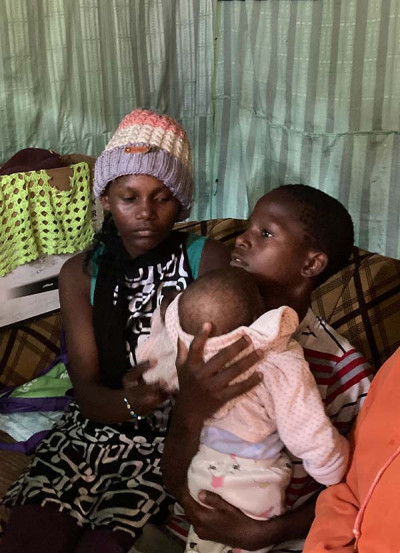
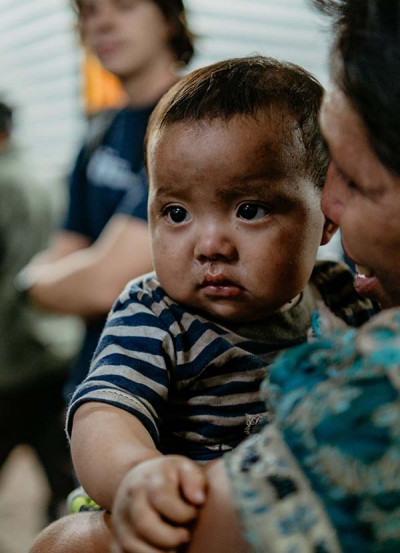
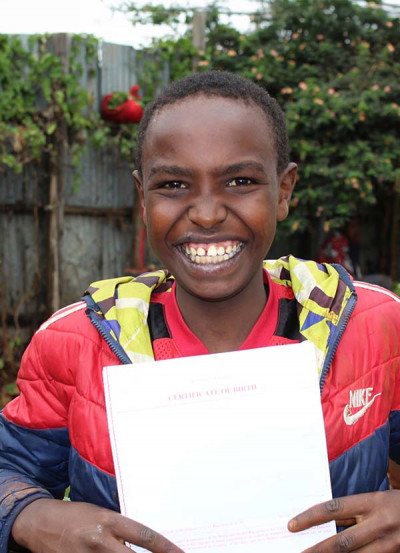
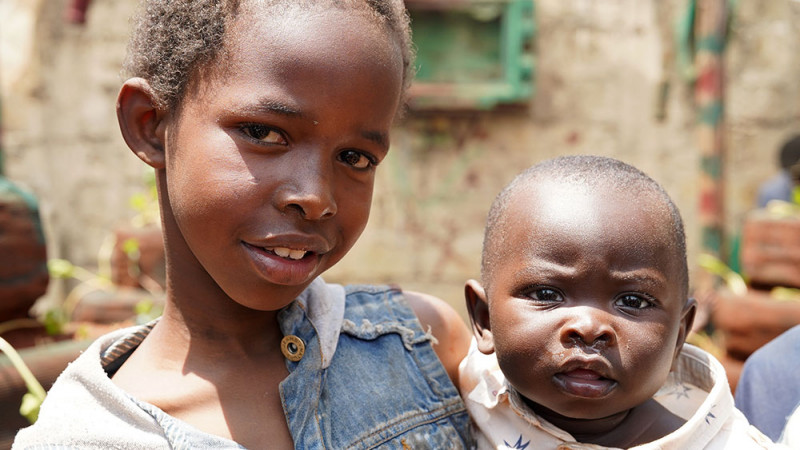
13-year-old Sokoro lives in a slum community in Nairobi, Kenya, with his mother, Vita, two sisters and 4-month-old niece.
In the summer of 2024, when the floods hit the area where they were living, the family lost almost everything. Forced to resettle in a new, unfamiliar place, Sokoro was as unable to enrol into school due to changes to increased costs Vita simply could not afford.
Many street children live in shelters made from plastic sheets with tin roofs. During heatwaves, these makeshift shelters turn into virtual ovens, making it almost impossible for children to rest, sleep or even breathe comfortably.
These extreme conditions lead to dehydration, heat strokes, headaches, dizziness and skin rashes - which especially affect young children whose bodies are still developing.
Some children skip meals due to lack of appetite in the heat, or because food spoils quickly without refrigeration. Clean drinking water, particularly in slum areas, is scarce, and children resort to drinking from contaminated public taps or drains. They bathe in rivers, often polluted from surrounding waste. Mosquitoes breed in the stagnant water - putting children at-risk of diseases like cholera, dengue, typhoid and malaria.
These hardships not only impact physical health but also emotional well-being and hinder children’s ability to learn, play and enjoy a healthy childhood.
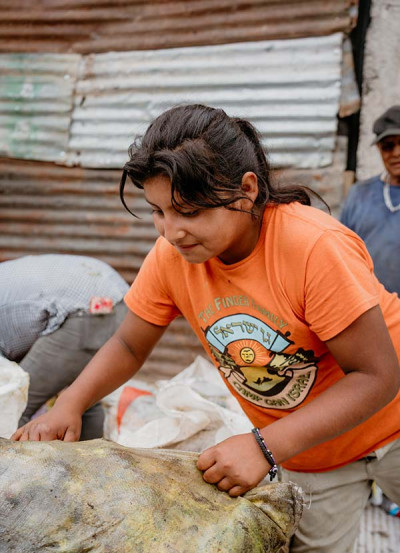
Many street children and their families depend on making a living by selling whatever they can find, however flooding and extreme temperatures make scavenging almost impossible. Fewer people on the streets limit their ability to beg and markets often close due to the rain, with both business owners and customers seeking shelter.
As a result, it becomes hard for families in street situations to earn money, leaving little or no sources of income and forcing them into riskier behaviours, such as petty theft and commercial sexual exploitation.
For children who earn a living by rag-picking, vending or working at traffic signals, extreme heat puts their health at serious risk - causing dehydration, heat strokes and fainting spells. Children are also often exhausted due to the energy drain caused by higher temperatures.
Extreme weather not only affects children’s physical health but also creates emotional stress and trauma, especially after events like homes being submerged or losing loved ones.
Often, being forced to move to unfamiliar places causes confusion and distress and many experience feeling unwelcome in new communities.
They experience pressure, separation from basic education, and are completely focused on how to survive today rather than thinking about tomorrow. Many street children express anger, restlessness and anxiety during these periods.
Climate change is increasing the risks and vulnerabilities that children and young people in street situations already face by disrupting their way of life and sources of livelihoods.
During climate emergencies, protection services are overstretched or unavailable and many street children find themselves in unfamiliar or crowded areas where their exposure to physical and sexual abuse is increased.
After an emergency, parents become overwhelmed, focused on rebuilding and working overtime to recover their homes, which often leaves children unattended and exposed to greater risks of exploitation and harm.
Street children are often invisible during disaster response and planning. They are excluded from emergency shelters, food distribution and health services because they are not registered or accompanied by guardians. This leaves many to fend for themselves in the aftermath of extreme weather events.
During the floods in Nairobi in 2024, in order for street children to be admitted to the government shelters, village elders had to establish that they were residents in their area of jurisdiction. With many not registered or not have identity documents, they were turned away - keeping them from life-saving support.
Our partners have adopted several unique, child centred approaches to help children and their families cope with the challenges posed by climate change.
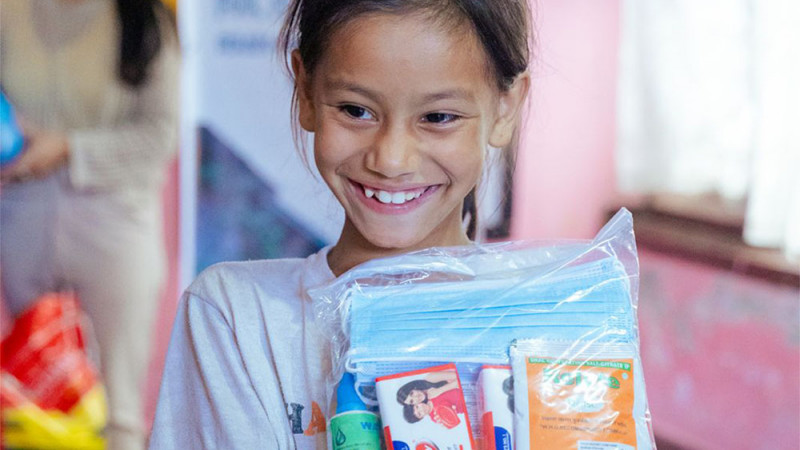
During an emergency, our main goal is to ensure children are safe. Our partners focus on providing basic needs to families so they can survive today, often supplying clothing, bedding, dry food and sanitary items.
In El Salvador we have supported families in markets that have been affected by rainstorms by providing food and basic necessities.
In response to the 2024 floods in Nepal, our partner, SathSath, conducted assessments in the hardest-hit areas to identify the most urgent needs. They distributed essential supplies like notebooks, pens, school bags, uniforms, rations, and medical kits.
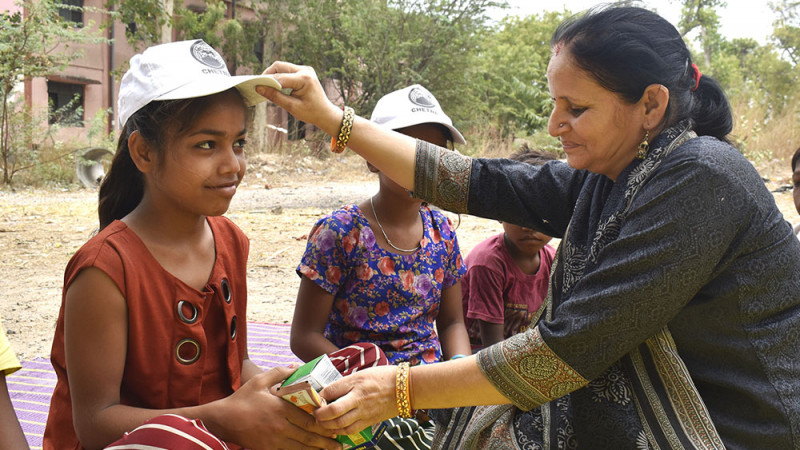
Our partner in India shares there is a growing need for basic climate resilience kits that include light cotton clothing, slippers, reusable water bottles, and hand towels - small but meaningful items that help children stay safe, healthy and dignified during extreme weather.
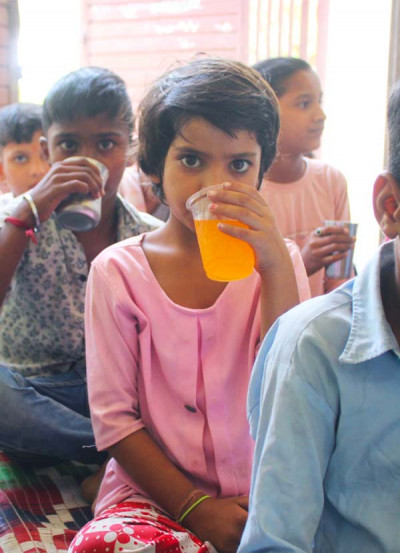
During heatwaves, we supported the distribution of heat relief kits containing essentials like glucose, oral re hydration salts, cotton caps or scarves and umbrellas to protect children from dehydration and heat-related illnesses.
Our partner in India also launched the ‘Emergency Heat Relief initiative’ and ‘Beat the Heat’ campaigns, featuring indoor activities such as drawing, art and storytelling.
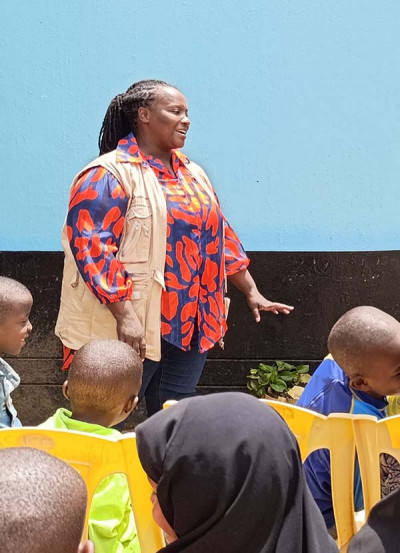
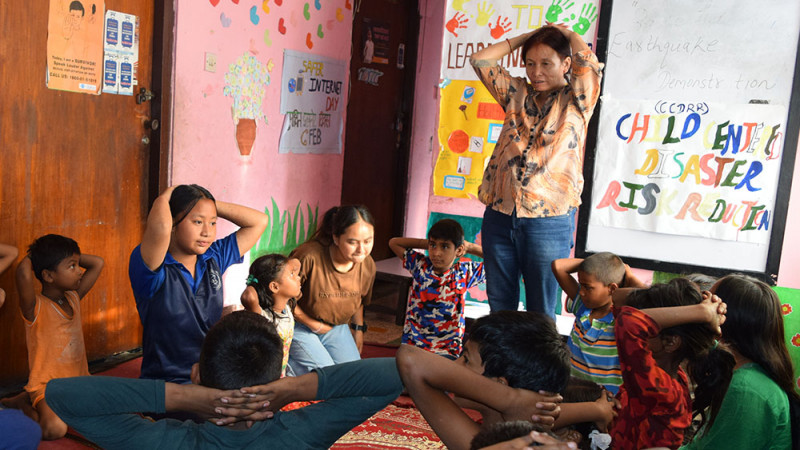
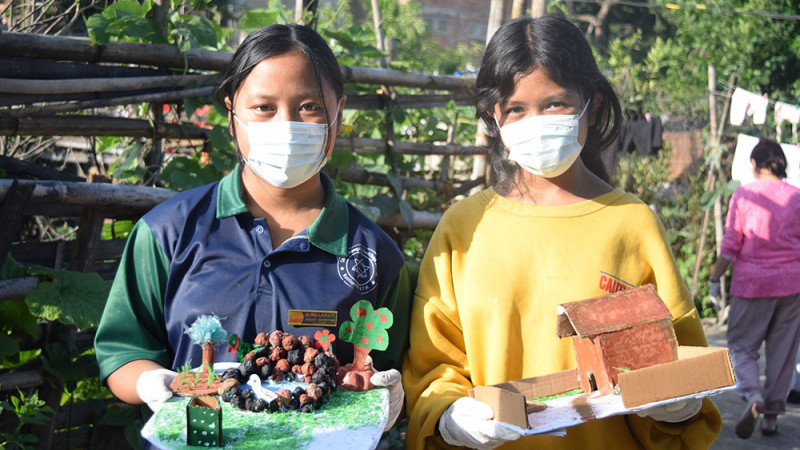
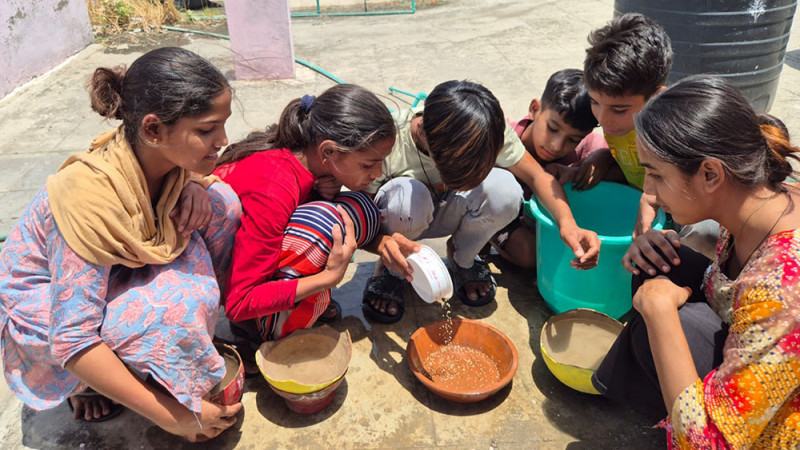
Workshops are generating community awareness about good environmental practices such as planting plants, recycling and optimising the consumption of electricity. We also provide preventive recommendations like disaster preparedness, wearing masks, staying hydrated and maintaining good hygiene. Parents are able to learn how to protect their families during extreme weather and where to access help.
Through group discussions, presentations and role-plays, street children are able to explore the effects of floods and air pollution and then began passing these tips on to peers and families. These sessions helped them grow in confidence and resilience.
Our partners operate safe and cool education centres equipped with wall fans, clean drinking water and shaded spaces where children can comfortably and safely study, rest and recover from the harsh outdoor conditions throughout the day. This is crucial for those coming from homes where safe water is scarce.
These programmes also support children’s emotional health. Educators listen patiently, provide reassurance and create calm, predictable routines in safe spaces - essential for children facing anxiety caused by harsh living conditions.
This support helps prevent heat exhaustion and enables continued learning and growth despite climate stresses.
Extreme weather not only affects children’s physical health but also creates emotional distress. Our partners provide safe spaces where children can talk freely, share stories and express fears through play, art and discussion. They conduct wellbeing sessions that use yoga, breathing exercises and mindfulness and group games to help children relax and connect emotionally. We also offer individual and group counselling.
Staff members are trained to listen empathetically and build trusting relationships, which gives children a sense of security and stability during uncertain times.
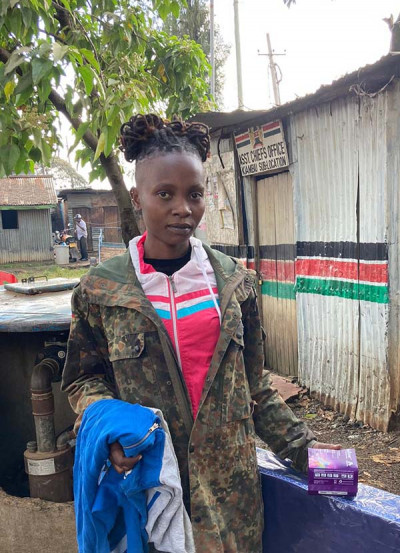
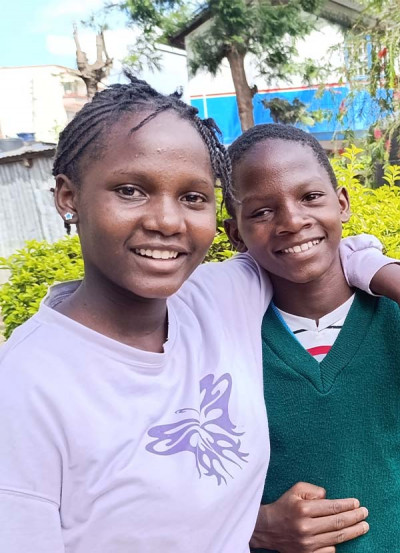
During a group counselling session, one group of young women from the Kiambiu slums in Kenya shared the effects of displacement after the flooding, adjusting to life in a new place and the importance looking out for one another. Sharing what they went through helped them feel united and they took strength through sharing coping strategies.
In an emergency, street children become increasingly vulnerable to violence, abuse and exploitation. If a child is also unregistered, these risks become even greater. Having a birth certificate means a child can prove who they are and access healthcare, education, financial aid and government support during times of crisis.
When emergencies hit, many lose everything. A vital part of our emergency response is to help replace lost ID documents. Birth registration can also play a critical role in reuniting separated families and helping safely resettle those who have been displaced.
Children in Toybox-supported projects are not only coping with the effects of climate change – they are taking action.
There is growing community involvement in climate action among children and communities where we work.
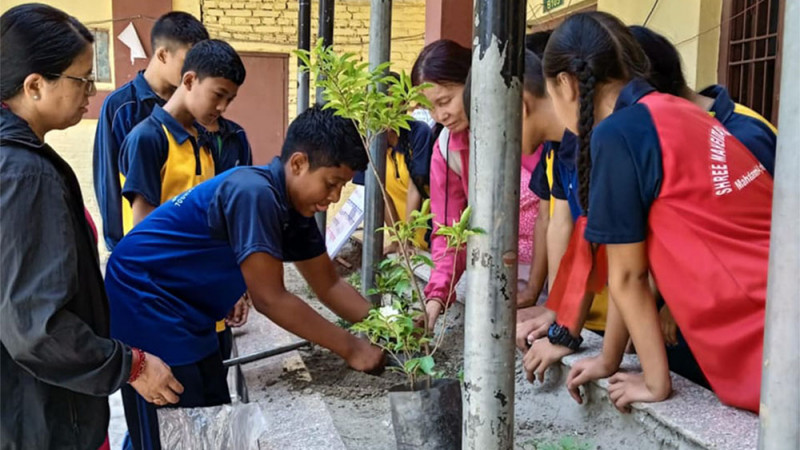
Our partner CHADET shares how communities in Ethiopia are actively participate in planting millions of trees each summer season, bolstering efforts against climate change by creating vital carbon sinks and restoring degraded landscapes. Another community has built an extensive terracing system, developed to prevent soil erosion.
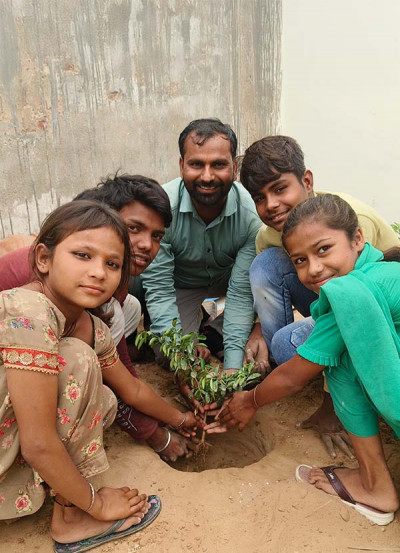
In Guatemala, street children are planting trees to protect their communities from landslides. In some slums in Nepal, communities have built walls so that when the water level rises during the rainy season, it won't enter the community and damage houses.
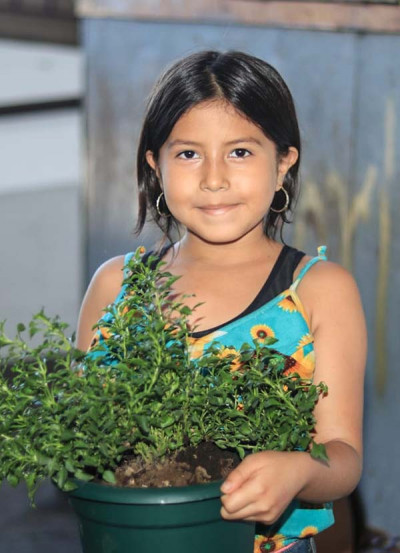
In El Salvador, young people are leading workshops to show their peers how small everyday actions can tackle climate change.
These grassroots projects nurture environmental awareness and responsibility, building resilience amid extreme heat, pollution and overcrowding.
Sense of community is fundamental among the street children. Even when they don’t have resources, they are able to ensure they take care of each other.
In Nepal, our partner SathSath witnessed incredible strength in the face of hardship. During the floods, children helped each other carry school materials and younger siblings to higher ground. Some of the older children we had trained in leadership and life skills stepped up to assist elders and neighbours in evacuation.
During heavy rainfall, children living along the riverbanks formed rescue groups. They guided elderly neighbours to safety and carried younger children in their arms.
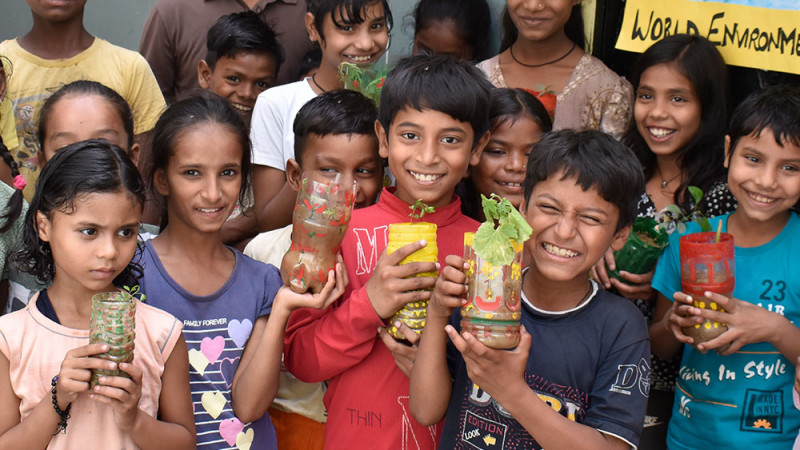
Children and families are increasingly take initiative to tackle climate challenges. They plant saplings using recycled materials, maintain rooftop gardens with grey water and build drainage paths during monsoons to reduce flooding.
At one Toybox-supported education centre in Delhi, a group of 12 children launched a small green initiative, planting saplings in recycled containers around their homes to cool their surroundings.
In Kenya, street children and young people are taking part in community clean-up initiatives and tree planting activities. During the National Tree Planting day, young people from two project areas participated by planting trees in nearby police station compounds.
Recently, our partner in India shared a story about a group of children in a slum community during a fierce heatwave. As water sources dried up, they noticed local birds were suffering too. So, they went onto the streets, gathered broken, discarded pots and filled them with water.
Another young boy in Delhi creatively built bird nests from scrap materials to help local wildlife survive the heat. These small acts demonstrate how children become environmental champions despite limited resources.
Deepesh Kumar Sain Project Coordinator at CHETNA, India"We are creating real change. Children are no longer passive victims. They are learning, expressing, and shaping their own futures. The presence of a cool classroom, a glass of water, a drawing session, or a story circle is a quiet but powerful form of resistance. With continued support, we can build a stronger, safer, and more climate resilient childhood for them."
We’re not just protecting children from heat or floods; we are helping them build hope, resilience, and a chance for a better future. Can you help us?
You can learn more about the cookies we set in our cookie policy.
These cookies are essential for the website to function and are always on.
Whilst we do not show advertising on our site, we may collect data for ads measurement purposes.