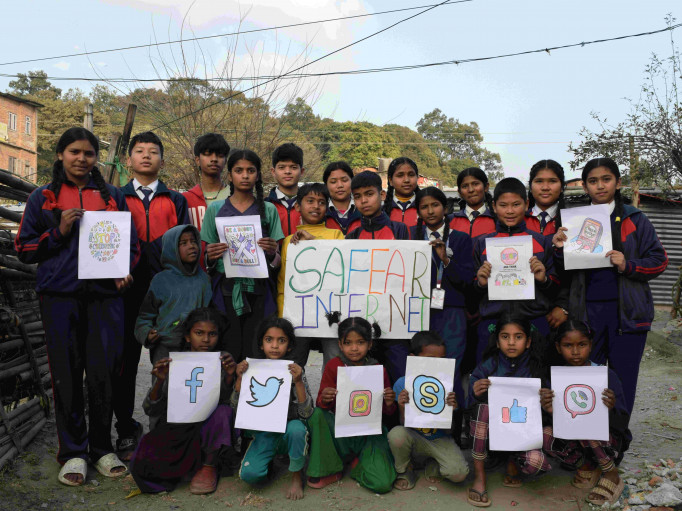
For children living or working on the streets, the digital world can be both a lifeline and a place of hidden risk. Access to phones and the internet often becomes essential — a way to find information, learn, stay connected and sometimes even seek help. Yet without guidance, supervision or safe adults to turn to, these same online spaces can expose children to exploitation, misinformation, cyberbullying and unsafe contact with strangers.
Each year, Safer Internet Day offers an important reminder of how quickly the digital world is changing, and how essential it is that children, especially those already facing vulnerability, are equipped to navigate it safely. This year, Toybox’s partners across the world delivered creative, practical and empowering activities to help children build skills and confidence online.
Learning to spot risks early in Guatemala
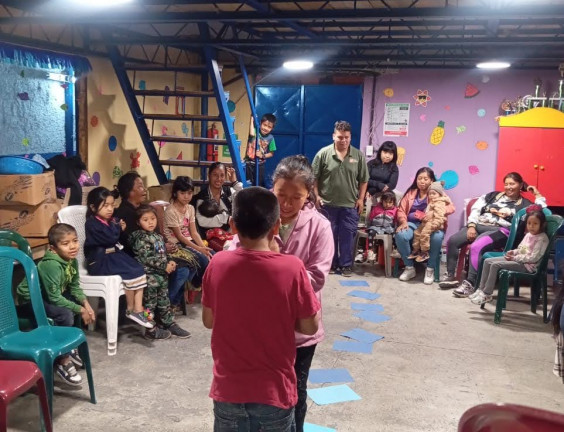
In Guatemala, Toybox partners CONACMI and Puerta de Esperanza held interactive sessions for children aged six to 20. These workshops explored common online risks such as contact with strangers, inappropriate content and pressure to share personal information. Children openly discussed their own experiences and created posters showing risky online situations, helping them think through how to recognise danger sooner.
Some reflected on how easily unhealthy online habits can form. One child shared: “Some platforms can become an addiction.” Another noticed how screen time can affect behaviour: “When children spend too much time on their phones, their behaviour gets worse.”
Through discussion, creativity and reflection, children left with a better understanding of how to navigate online spaces safely.
Pictured below: (L) Children and families take part in an interactive session on online safety as part of Safer Internet Day 2026. (R) "I learned that we should never give out our password, location or telephone number and to be careful with people who are sending us messages." - Child participant, Guatemala.
Interactive learning in India
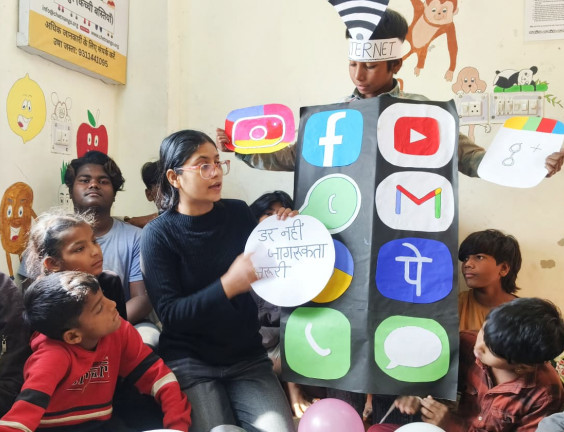
Across India, more than 300 children took part in hands‑on online safety workshops led by Toybox partner CHETNA. These sessions helped children explore both the benefits and risks of being online in ways that were engaging and age‑appropriate.
In Delhi, children across three locations took part in activities designed to strengthen their understanding of online safety. In 'Mera Password, Meri Taaqat', they learned how to create strong passwords using combinations of letters, numbers and symbols. Another activity, 'Safe or Unsafe?', encouraged them to think critically about real‑life online scenarios — from suspicious messages to risky gaming interactions.
Preeti, one of the participants, said: “I did not know earlier that the internet can be misused… this session helped me understand the good things and the risks.”
Aayush shared how the session helped him recognise danger: “My game friend once asked for my home address. Now I know I should never share personal details online.”
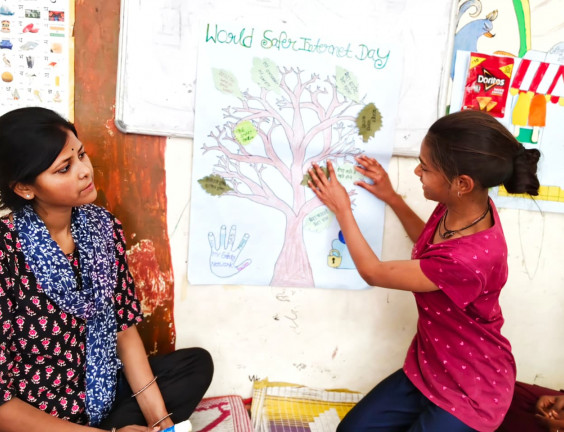
In Jaipur, children discussed their daily use of phones, social media and online games before exploring the risks of fake profiles, cyberbullying and oversharing. Creative poster‑making reinforced key messages, while role plays helped children experience situations involving peer pressure or online harassment — and practise safer responses.
Gulista reflected: “The role play helped me understand how cyberbullying makes someone feel sad. We should support our friends and report such behaviour.”
Pictured below: (L) "The quiz made learning fun. Now I know how to create a strong password and why privacy settings are important." - Varun, 14. (R) Children add their ideas to a World Safer Internet Day poster during CHETNA’s online safety session in Jaipur.
Understanding Online Safety in Kenya
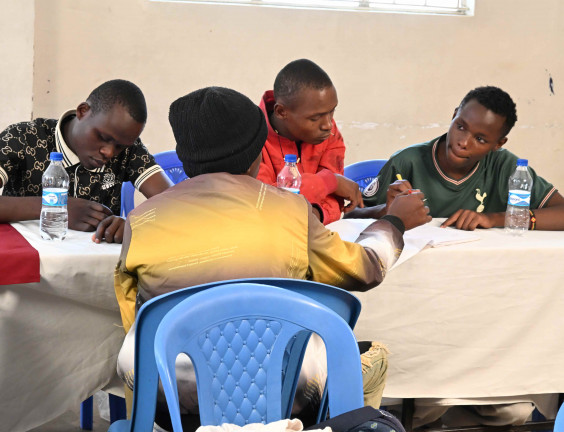
In Kenya, young people in a Toybox-supported youth empowerment programme with our partner Pendekezo Letu took part in a digital literacy session focused on this year’s theme — 'Smart tech, safe choices: exploring the safe and responsible use of AI.'
The group learnt practical tips on staying safe online and understanding how AI and smart technology show up in their daily digital lives. They also took part in group discussions, shared real experiences and explored simple steps they can take to protect themselves online. The session ended with short reflections from the participants on what they learned and the smart choices they plan to make going forward.
Encouraging Digital Parenting in El Salvador
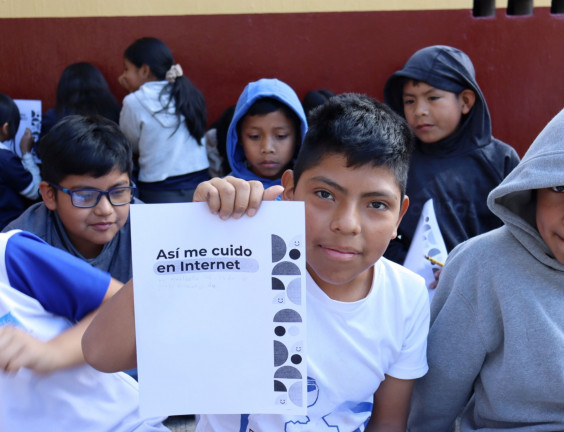
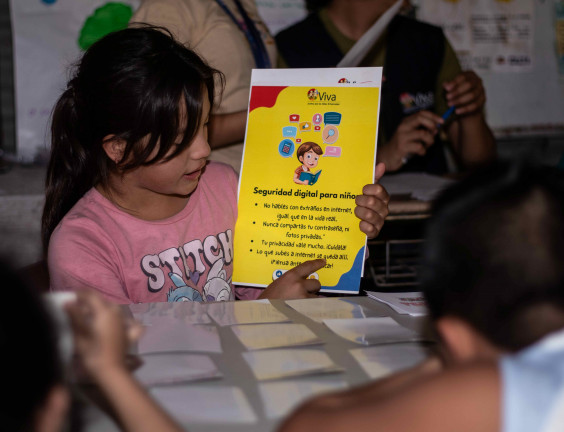
Toybox partner Viva El Salvador used Safer Internet Day to strengthen its ongoing work on digital safety and digital parenting. After surveying 50 children about their online experiences — including exposure to violent games, inappropriate content and online conflict — the team is now integrating workshops on cyberbullying, digital rights and responsible device use into its wider programmes. These efforts aim to support both children and caregivers, helping families feel more confident in guiding children through the challenges of the digital world.
Working With Community Police in Nepal
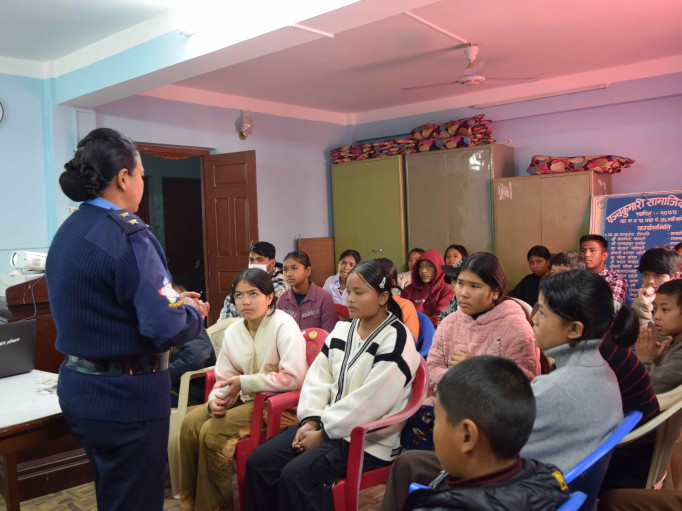
In Nepal, Toybox's partner SathSath collaborated with community police to deliver a one‑day workshop on online safety. The session covered how to recognise unsafe digital behaviour, what the law says about online harms and how children can seek help if they feel threatened or unsure. Children left feeling more confident about asking questions and turning to trusted adults when needed.
Pictured below: (L) Children and young people in Kenya reflect on how to stay safe online during a Toybox‑supported digital literacy session. (R) A participant holds up a digital safety guide during Viva’s online protection session for children.
Creating Safer Digital Spaces for Street Children
From hands‑on workshops in India to creative sessions in Guatemala, digital literacy in Kenya, parental engagement in El Salvador and awareness work in Nepal, children across the world marked Safer Internet Day by learning how to stay safe online in practical and meaningful ways.
For children in street situations, these lessons can make a life-changing difference. Many rely on shared devices or public Wi‑Fi to stay connected — but without someone to guide them, it can be difficult to know who or what to trust. Learning how to protect their privacy, recognise unsafe behaviour and make careful choices online gives them a sense of control in a world where they often have very little.
Thanks to the dedication of Toybox’s partners and the kindness of supporters, street children who might otherwise face the digital world alone are gaining the skills they need to feel safer, more confident and better protected online.
Pictured below: A community police officer in Nepal delivers an online safety workshop, guiding children on recognising risks and knowing when and how to ask for help.