Donate Menu

Street Life issue 24

Riba Zetu
Zetu Kwa
Streets
Our own stories from the streets

We are children and young people supported by Pendekezo Letu through the Wezesha project. We come from informal settlements in Nairobi and projects like this street magazine bring us together to share our voices and dreams.

Through the Wezesha project by Pendekezo Letu, we have taken part in different sessions, learning about safeguarding, photography and interviewing skills and creating and uploading our own stories. We also worked together to choose the title of this magazine, which was one of our favourite moments!

This project has helped us express who we are and what we have experienced. Most of all, it has reminded us that there is always a glimmer of hope for every child and young person finding their way on the streets. Sometimes, all we need is someone to believe in us and help turn our dreams into reality.

We are grateful for your support and for giving us this opportunity to be heard.

Editorial team
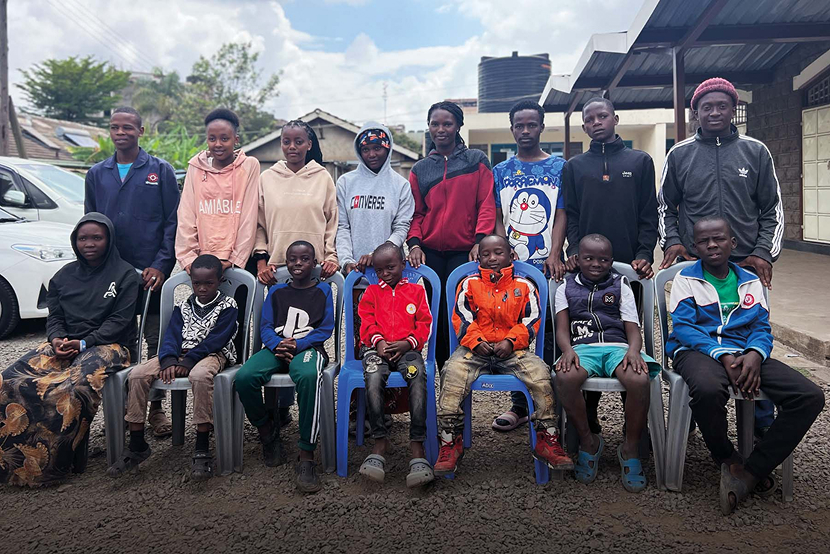
15 of us from the project formed the editorial team. We narrowed down the best ideas and materials to shape the final version

Our stories

The journey to creating RIBA Zetu Zetu Kwa Streets

Written by Levis

The journey to creating RIBA Zetu Zetu Kwa Streets

This edition of the Toybox supporter magazine has been imagined and developed by children and youth living in street situations in Nairobi. Throughout the process, the children and youth demonstrated their ability to imagine, create and communicate their lived realities in their own words and images.
Levis
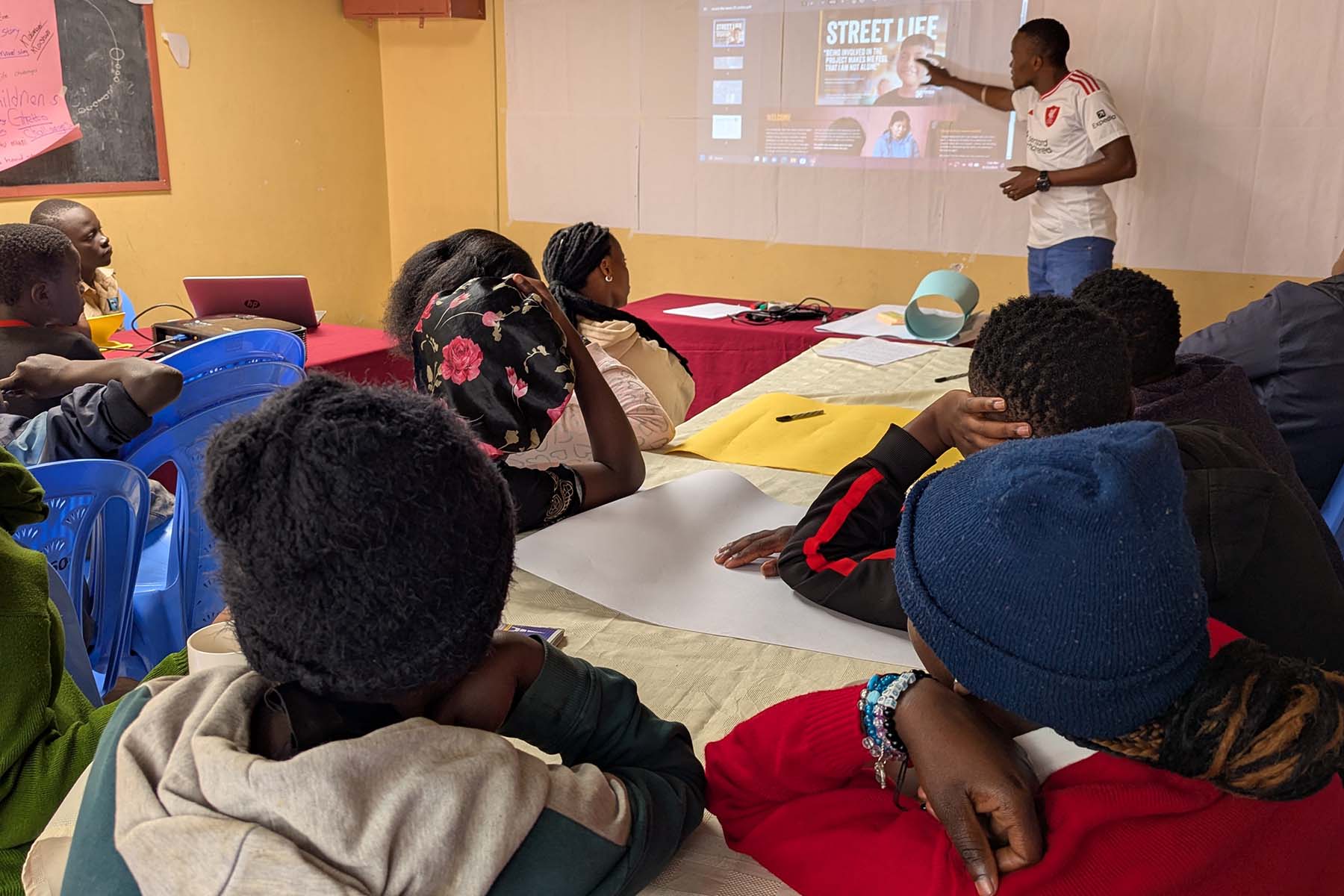
A session with the participants looking at previous editions of the Toybox magazine

Sparking ideas

Before the children got involved, PKL staff met to understand the project. Once everything was clear, in lively, participatory sessions, children and youth brainstormed what their magazine could look like. They shared ideas on themes close to their hearts - education, urban farming, and stories from their daily lives. From the start, the goal was simple: a magazine that reflects their authentic voices and creativity.

Building skills

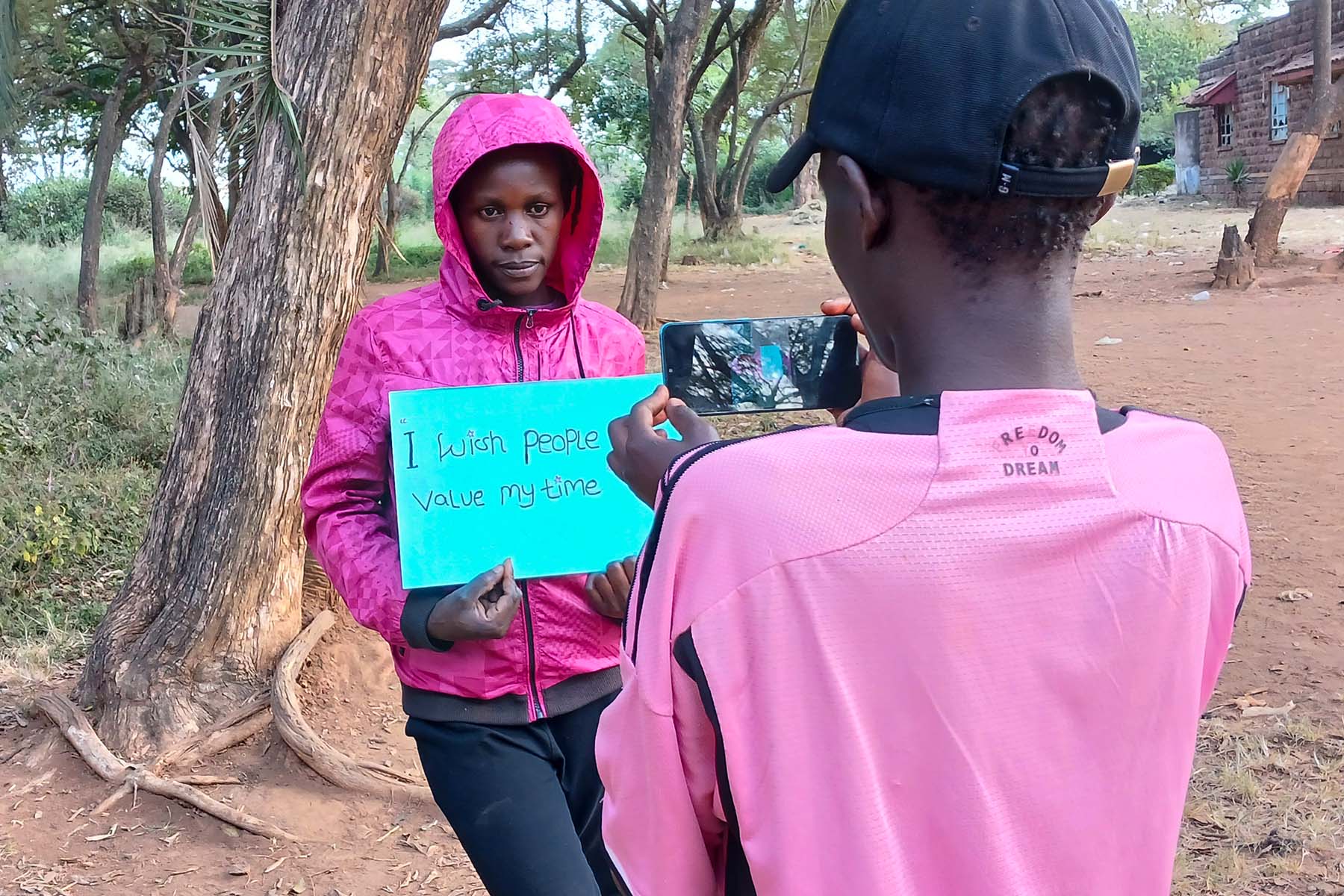
Before diving in, the children took part in refresher sessions on photography skills, safeguarding, artwork and storytelling. These skills gave them the confidence to create, while PKL staff stood by for support - ensuring the content remained authentically theirs.
Levis
The participants take each other's stories through photos

Everyone has a role

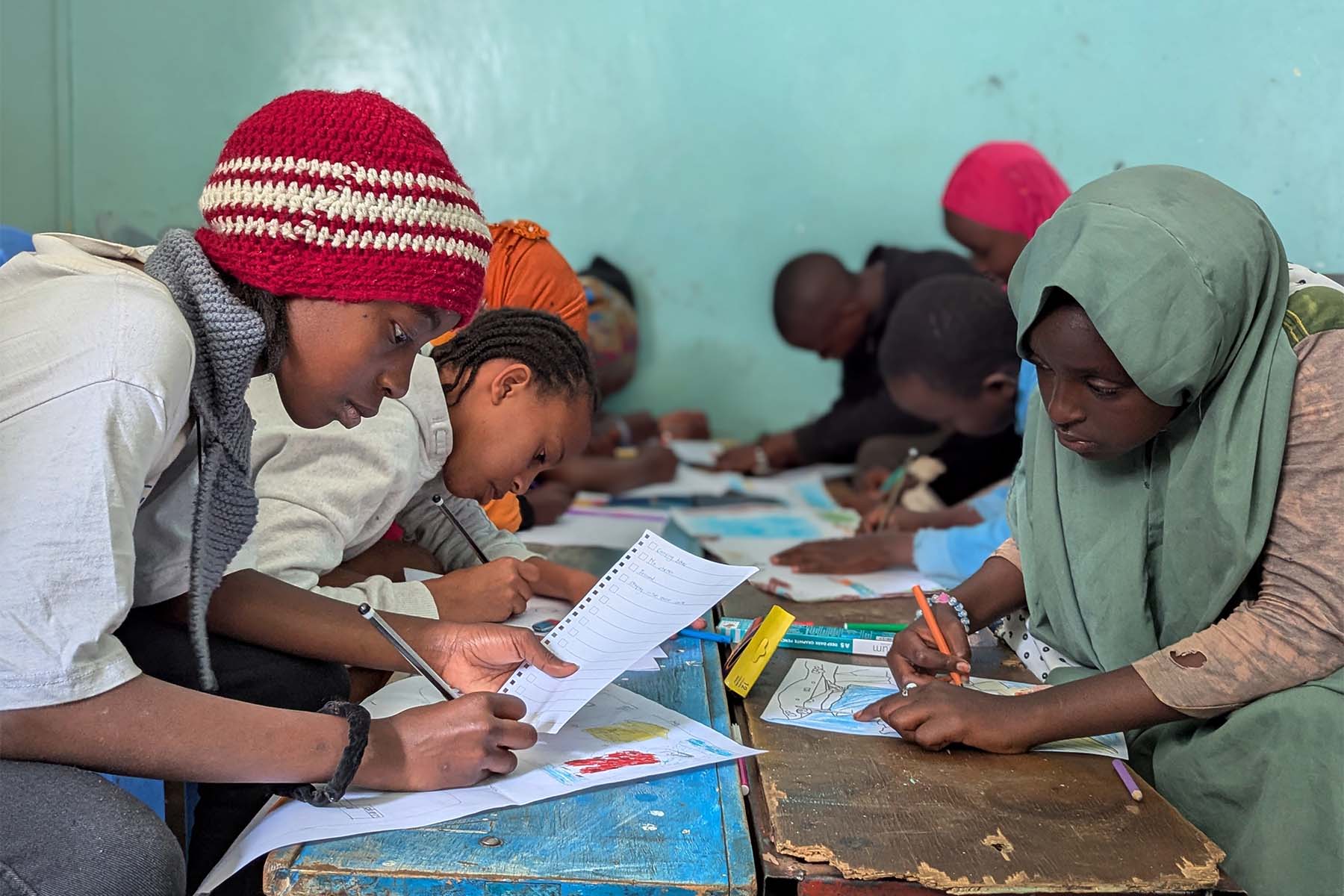
To foster inclusivity, children and youth from all five project areas joined in. They wrote, drew, photographed and shared ideas. This broad involvement not only enriched the content but also created a sense of collective ownership by the children we work with.

Later, 15 participants were selected from different bases who came together as the editorial team to review everything and choose the strongest pieces. This collaborative approach allowed everyone to feel represented and the final magazine felt like a collective achievement. To ensure the process was progressing well, several review meetings were held giving space to reflect, adjust and strengthen the magazine at every stage.

Safeguarding first

Consent was sought for all contributions, and names were protected where needed. Every story was handled with care to ensure dignity and avoid stereotypes.
Levis
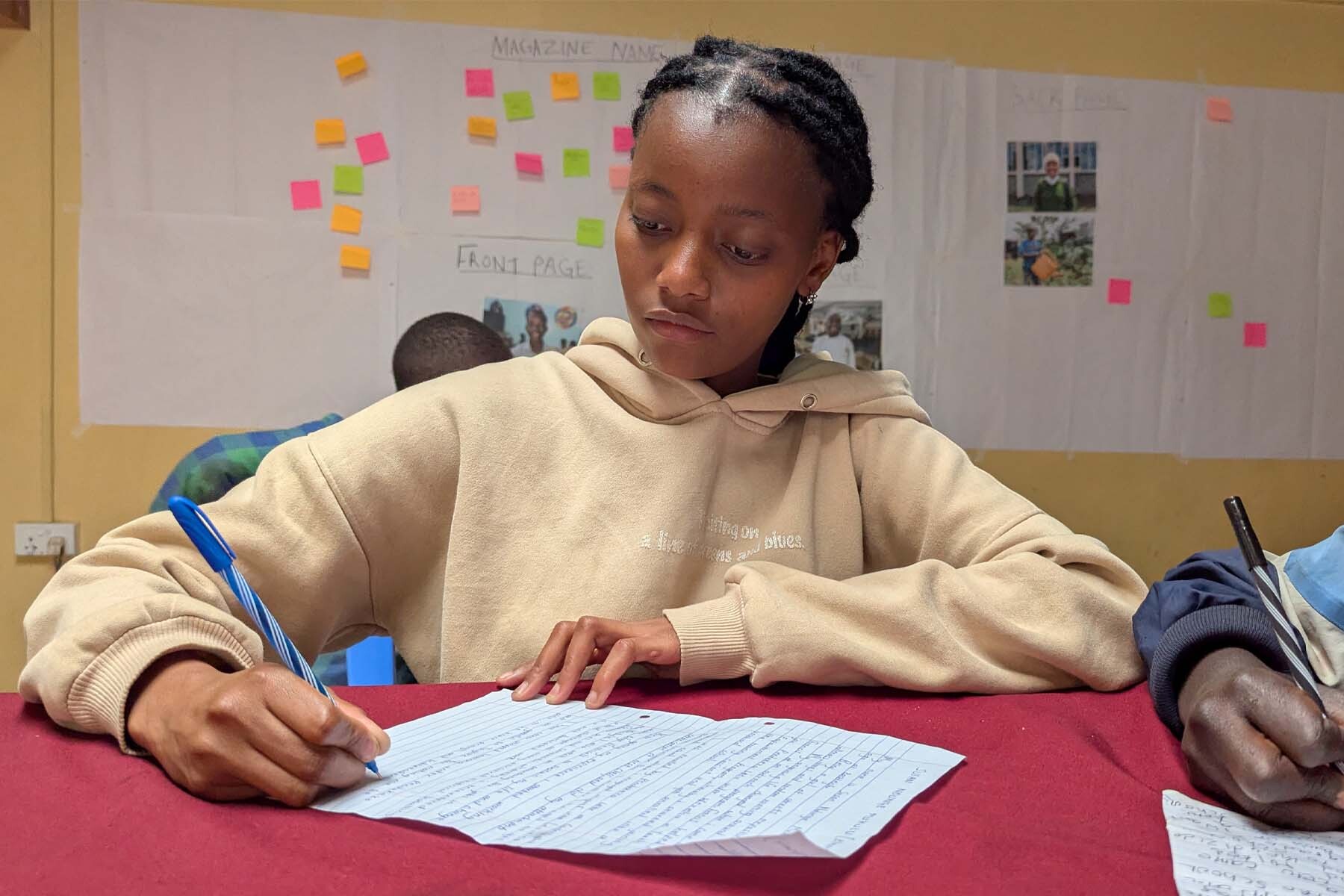
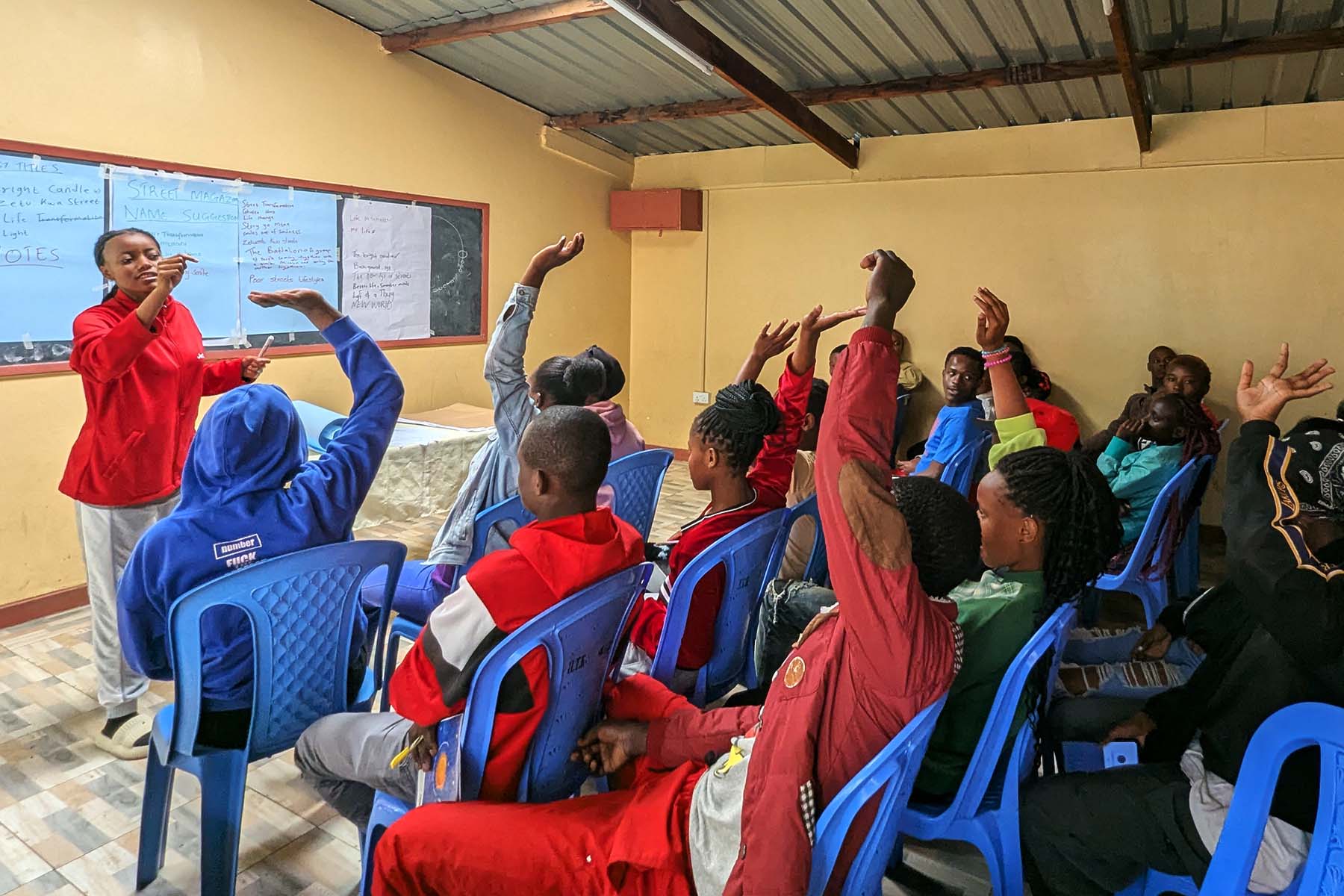
The participants during a session to select a suitable name for their magazine

Creating the heart of the magazinee

The editorial team chose the magazine's name through a vote. This participatory process gave everyone a voice and ensured the final choice represented the groups' collective identity.

Four titles were suggested:

  • Bright Candle
  • Ghetto Story
  • Ghetto Street Lights
  • Riba Zetu Zetu Kwa Streets (Our Story from the Streets)

The winning title was Riba Zetu Zetu Kwa Streets - a powerful statement of identity and pride.

Participants also selected photos, wrote articles, and added quotes and reflections. The theme they chose highlights resilience - how street-connected children, youth and families can build strength and live with dignity.
Levis
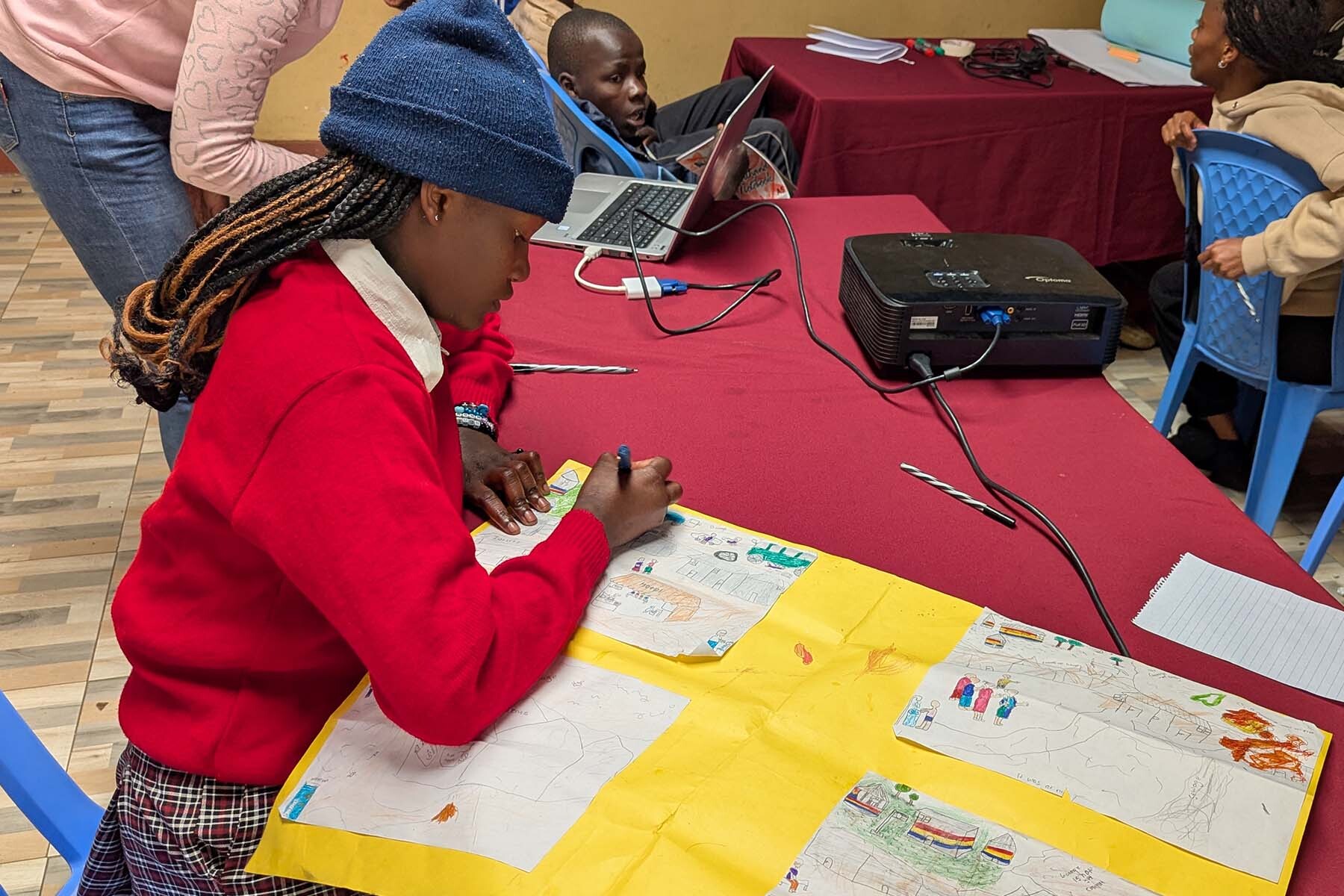
Shantel works on her story for the magazine
Levis
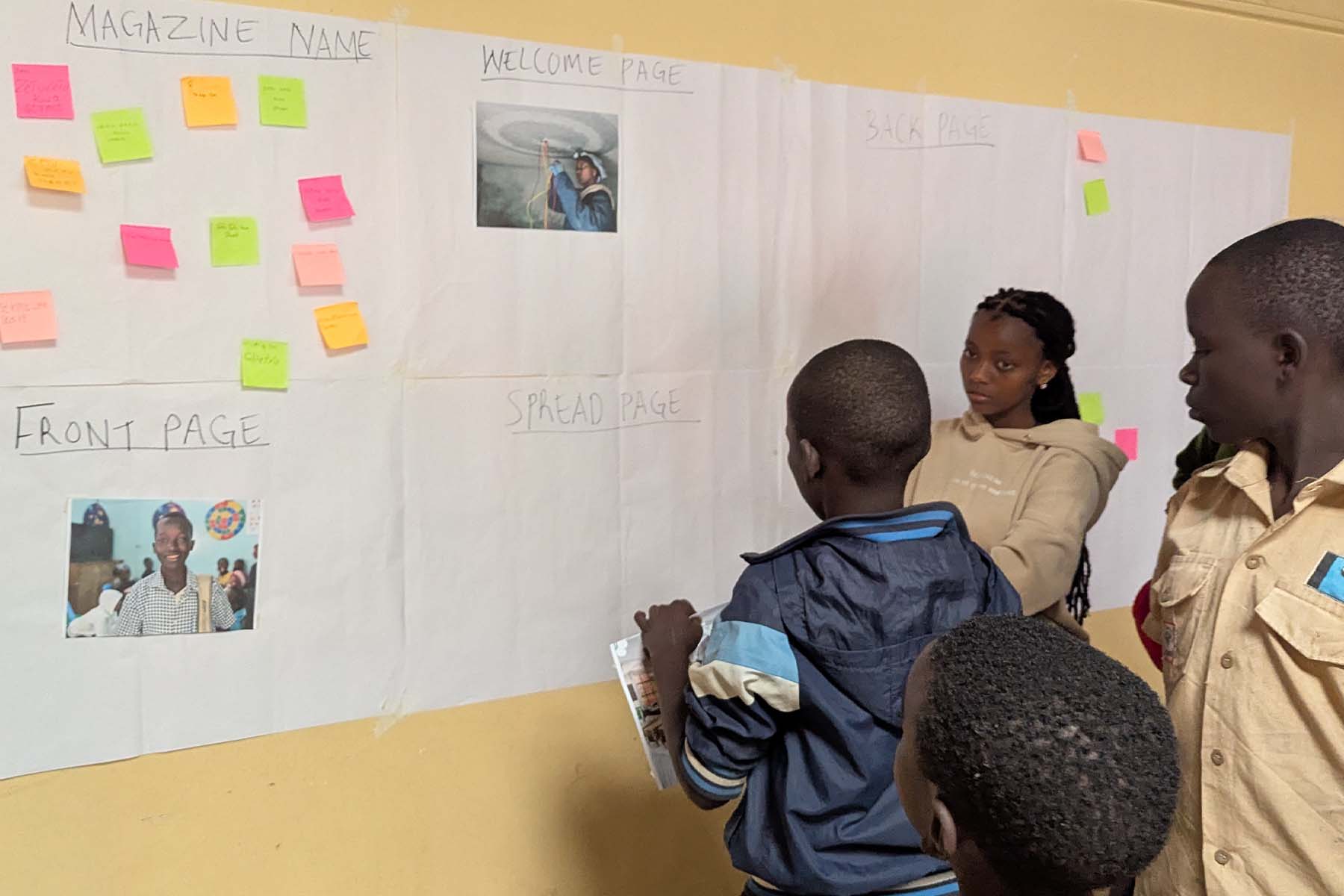
The project participants plan the magazine layout
Levis
Maria develops her submission for the magazine

Overcoming challenges - reflections

Low literacy levels: Some children struggled with writing so they were encouraged to use their slang or oral storytelling, while staff helped with transcription - keeping their voice intact.
Limited equipment: Many of the participants didn't have phones with cameras, so occasionally it was necessary for staff to share theirs under supervision.
Patience: Taking quality photos with proper lighting sometimes tested participants' patience. Facilitators used the opportunity to teach why good photos matter for a magazine and encouraged teamwork in capturing better shots. Project staff were also sensitive to the needs of the participants and when necessary the content was taken over multiple days.
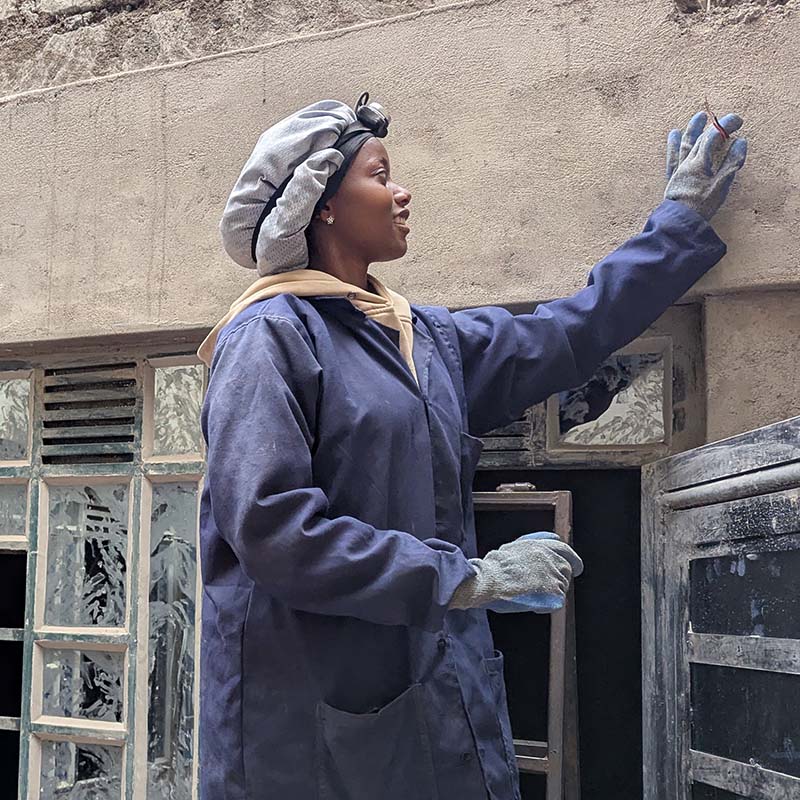
From the Streets to a Bright Future

Written by Maria

From the Streets to a Bright Future

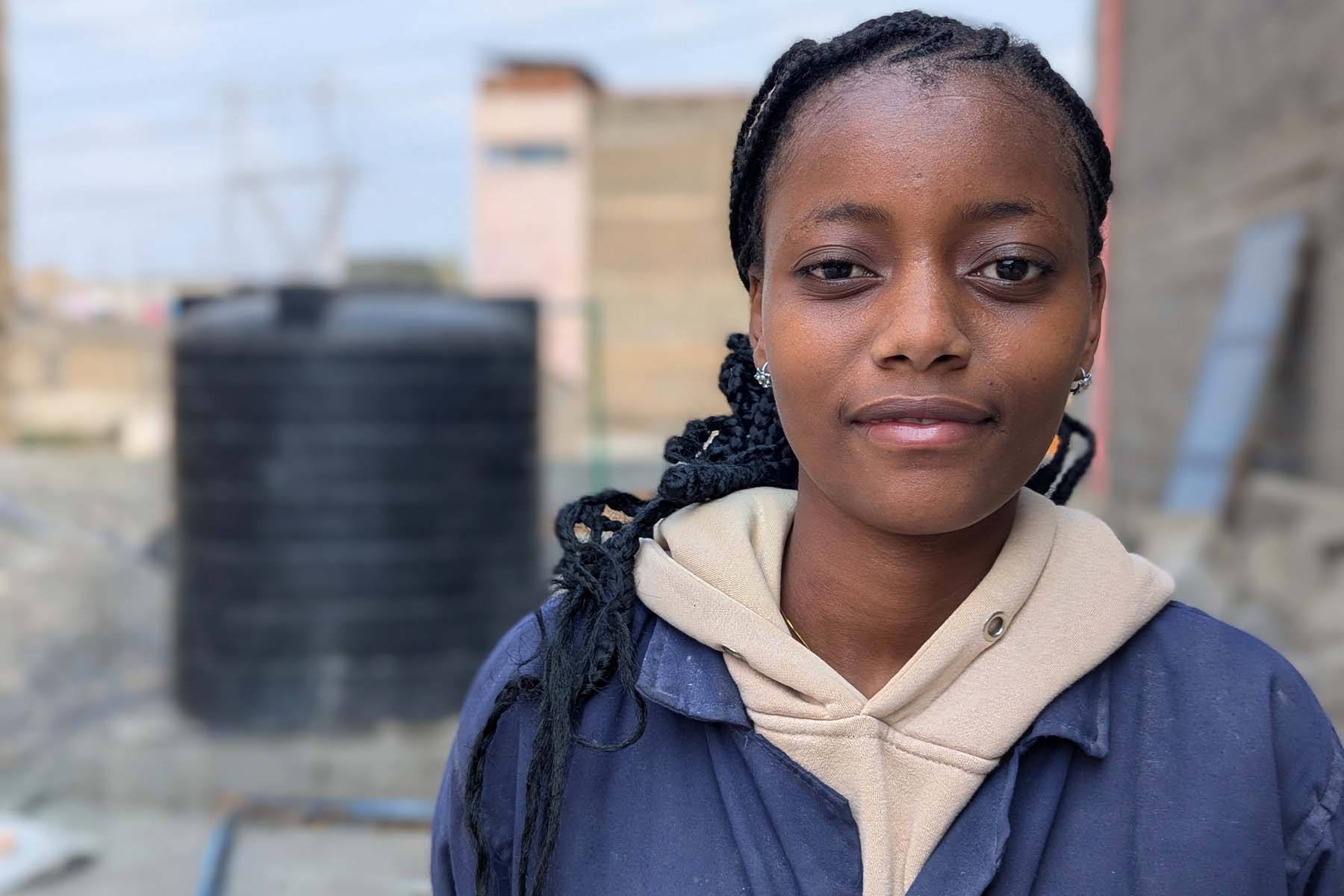
Maria

My name is Maria. I am 20 years old. Being on the streets exposed me to idleness, drugs and random roaming with a risk of potential abuse. I was jobless and lacked any skill to provide for my basic needs.

My life changed when I met Pendekezo Letu during their street visits programme and I started participating in their life skill sessions. I was referred to their Wezesha Youth Empowerment programme where I started joining their sessions and was later enrolled at a vocational training centre to learn skills in electrical installation.

I committed myself and managed to get first class certification. Pendekezo Letu helped me secure my placement where I perfected my skills through on-the-job training.

After gaining experience, I started job hunting. This was easy due to the training that Pendekezo Letu had equipped us with on interviews and work ethics, though I faced challenges as electrical installation is perceived as a male dominated career. I finally secured a job where I'm currently working as an electrical technician.

Maria
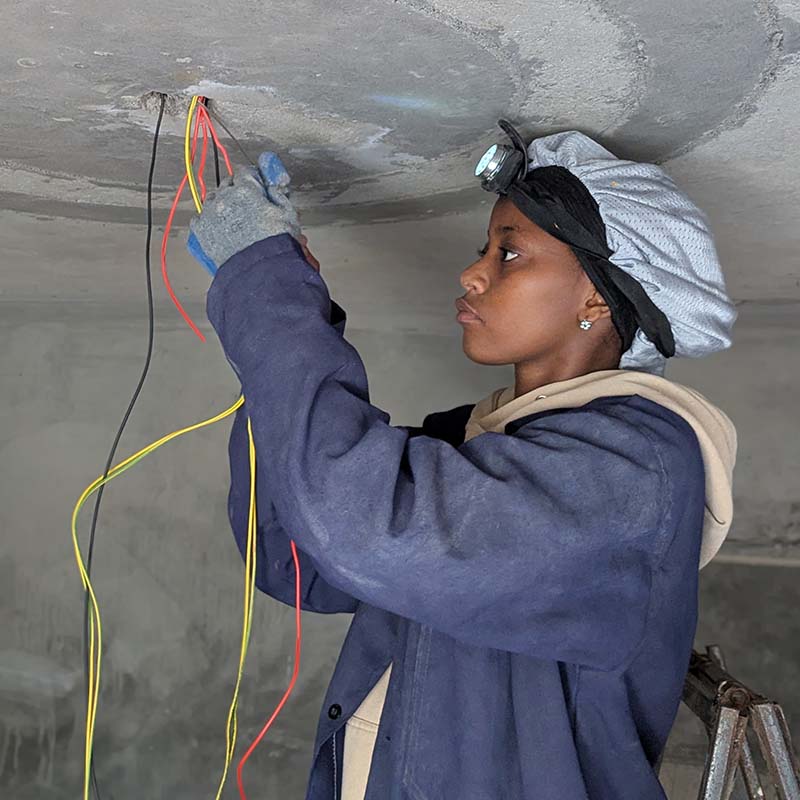
At my electrical installation job
Maria
I completed my training in electrical installation and now work as an electrician, proving that girls can thrive in any field, even those often seen as only for men

I have never stopped learning under Pendekezo Letu. My life has changed, from being on the streets to acquiring a skill and employment. I am grateful to Toybox for enabling me to become independent. My future plans are to motivate and mentor other youths who are still in the bases to know that they still have a chance to transform their lives.

After the fire: Finding Help and Hope

Written by Shantel

After the fire: Finding Help and Hope

Charles

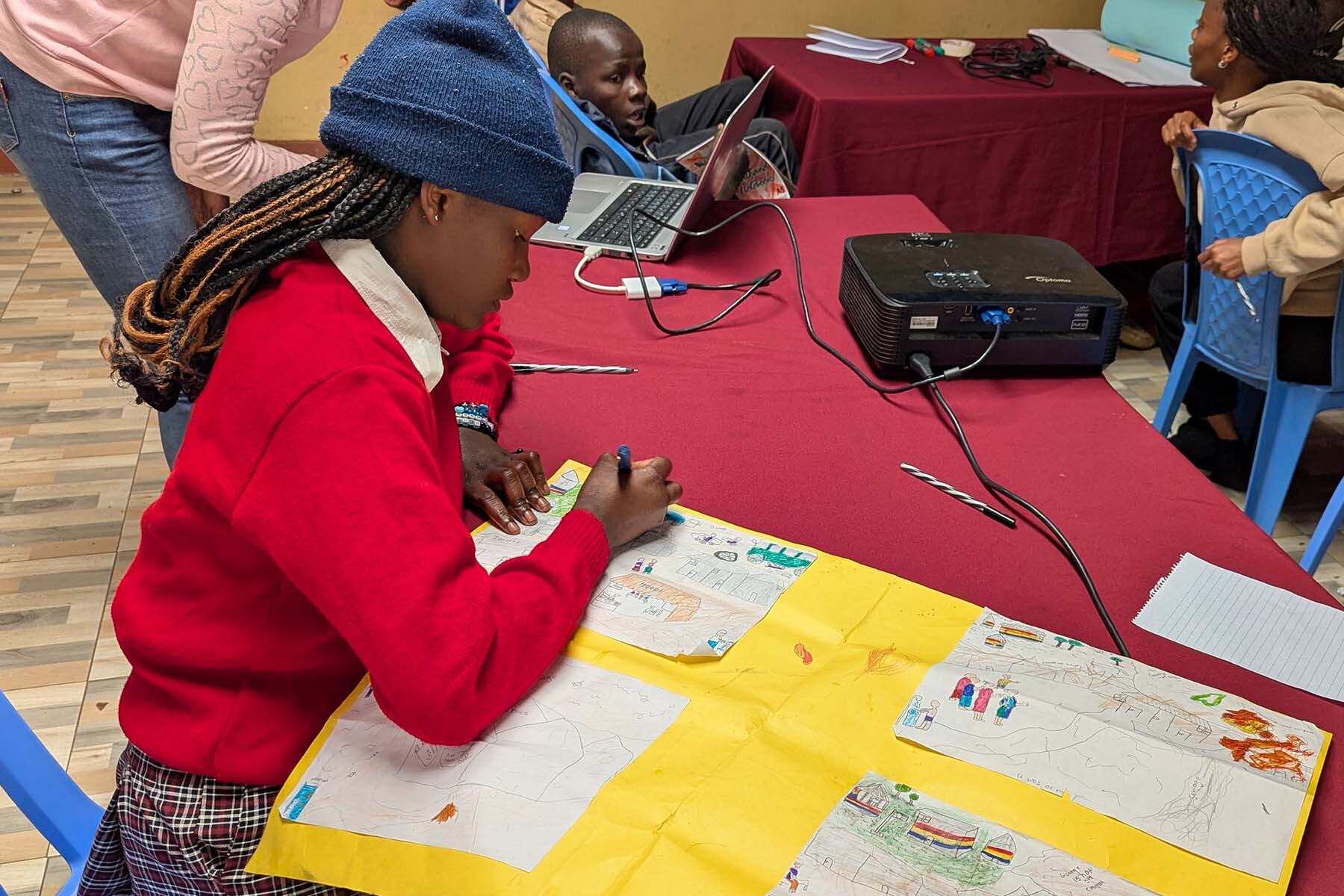
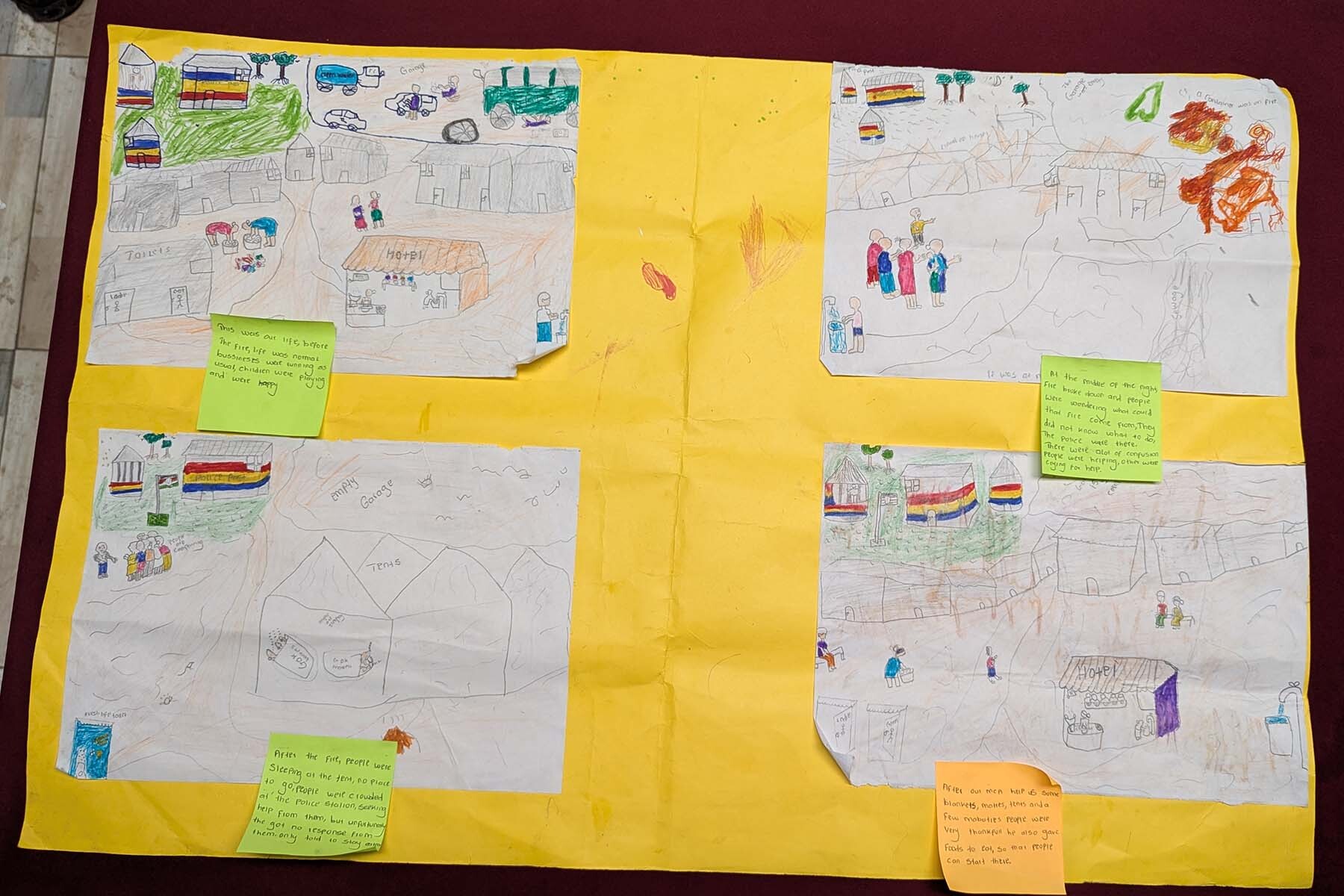
On 17th July 2025, a fire broke out in our village. I didn't have any photos from that time because I did not have access to a smartphone or a camera to take pictures. Instead, I've decided to share my story through drawings and words. I wanted people to see what happened to us that night and how our community came together afterwards.

Before the fire, life was normal. Businesses were running as usual, children were playing and were happy. In the middle of the night fire broke out and people were wondering what the fire came from. They did not know what to do. The police were there. There was a lot of confusion.

People were helping, others were crying for help. After the fire, people were sleeping in the tents. They had no place to go.
Charles
I really enjoy drawing; it helps me express my feelings and remember things clearly

People were crowded at the police station seeking help from them, but unfortunately, they got no response from them. They were only told to stay calm. After, our MCA* helped us with some blankets, mattresses, and a few iron sheets. People were very thankful. He also gave food to eat, so that people can start there.

Today, our community is slowly recovering. Many families have rebuilt their homes and most children are back in school; however, some people are still recovering from the aftermath. The garage that burned down is still empty, but it reminds us of how far we've come. I feel proud of how we supported each other and stayed strong. I learned that even when bad things happen, people can still come together and help each other.

Levis

* Member of County Assembly - an elected local leader representing a specific ward in Kenya.

Urban Farm Interview with Njuguna

Written by Kuria

Urban farm interview with Njuguna

Kuria
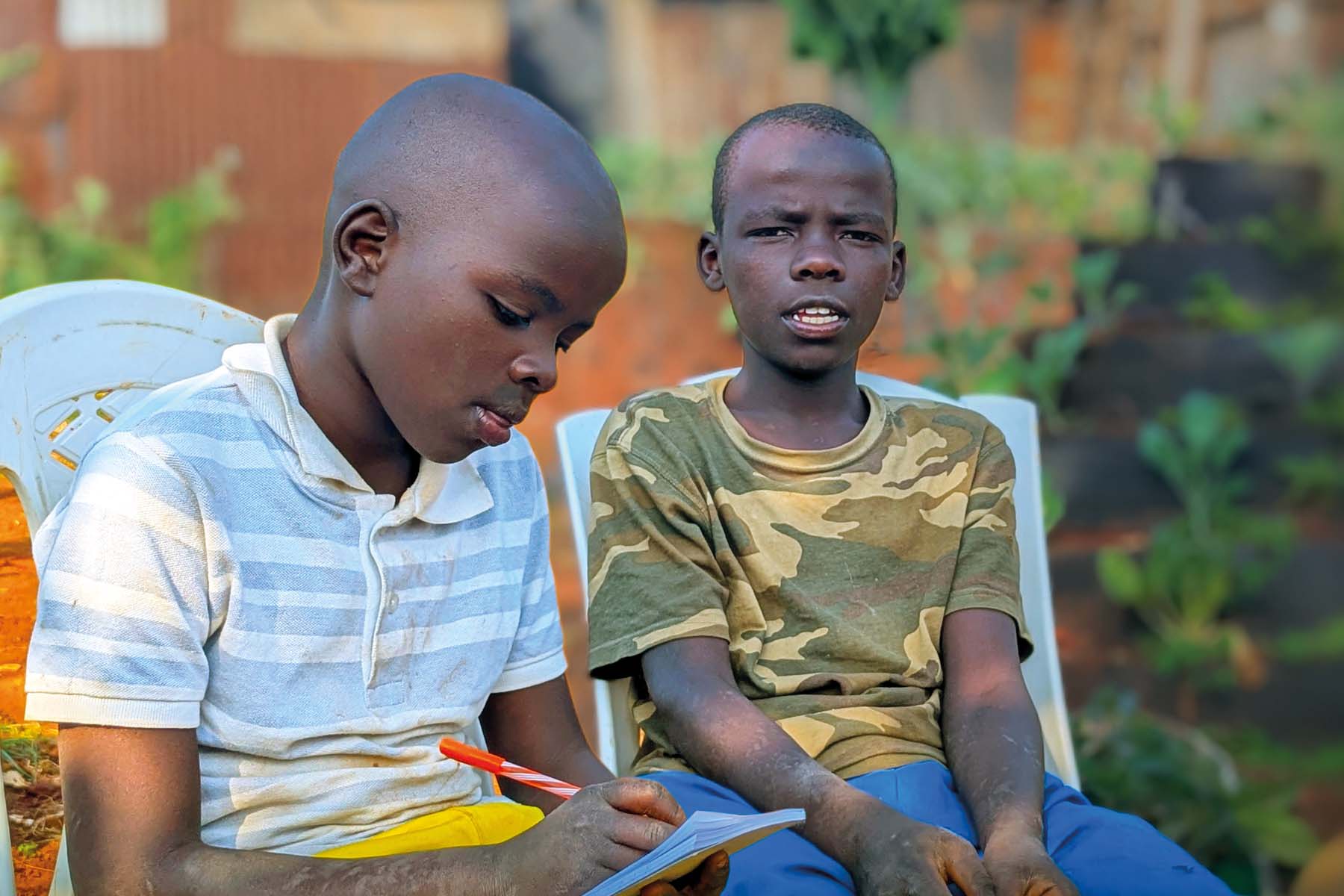
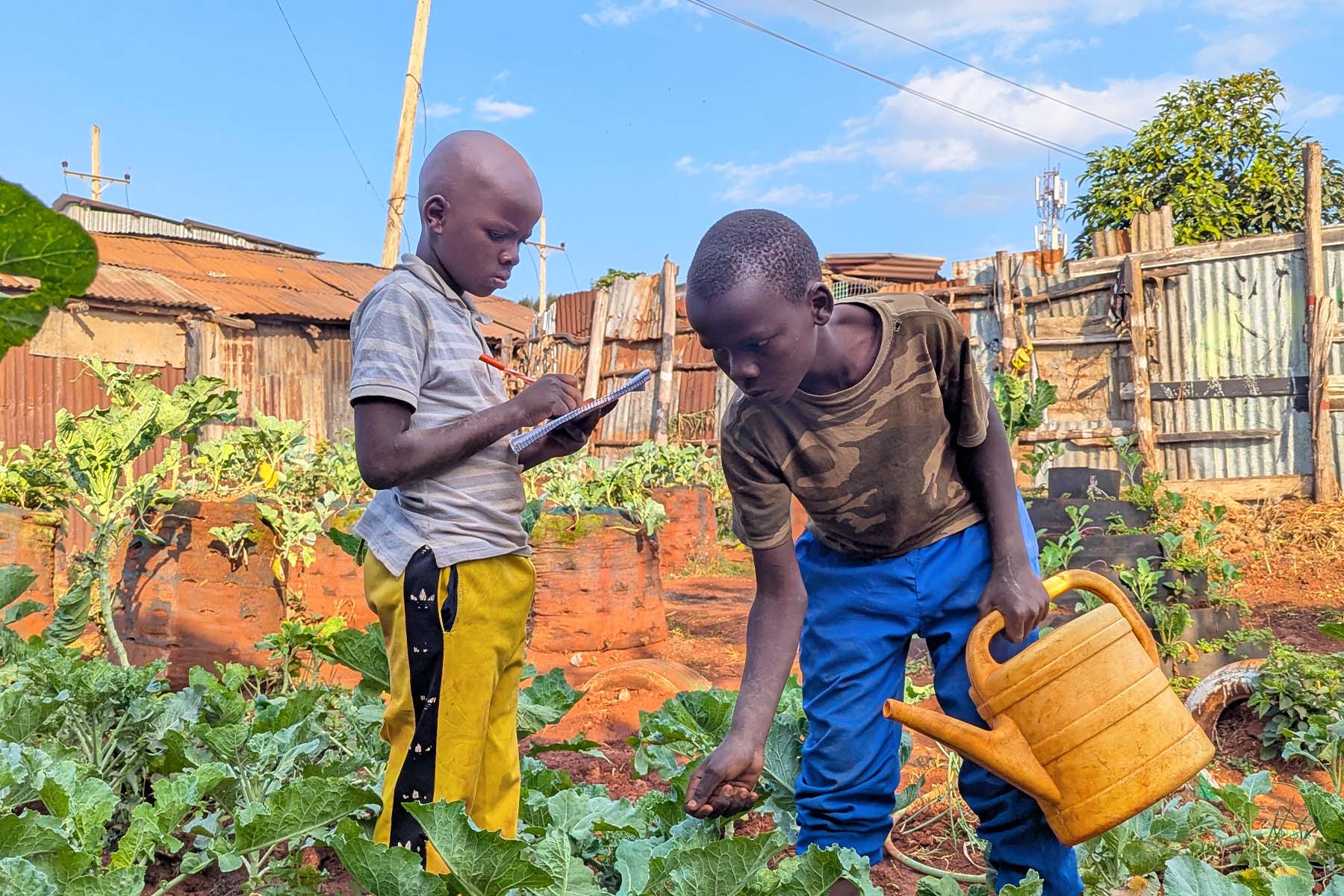
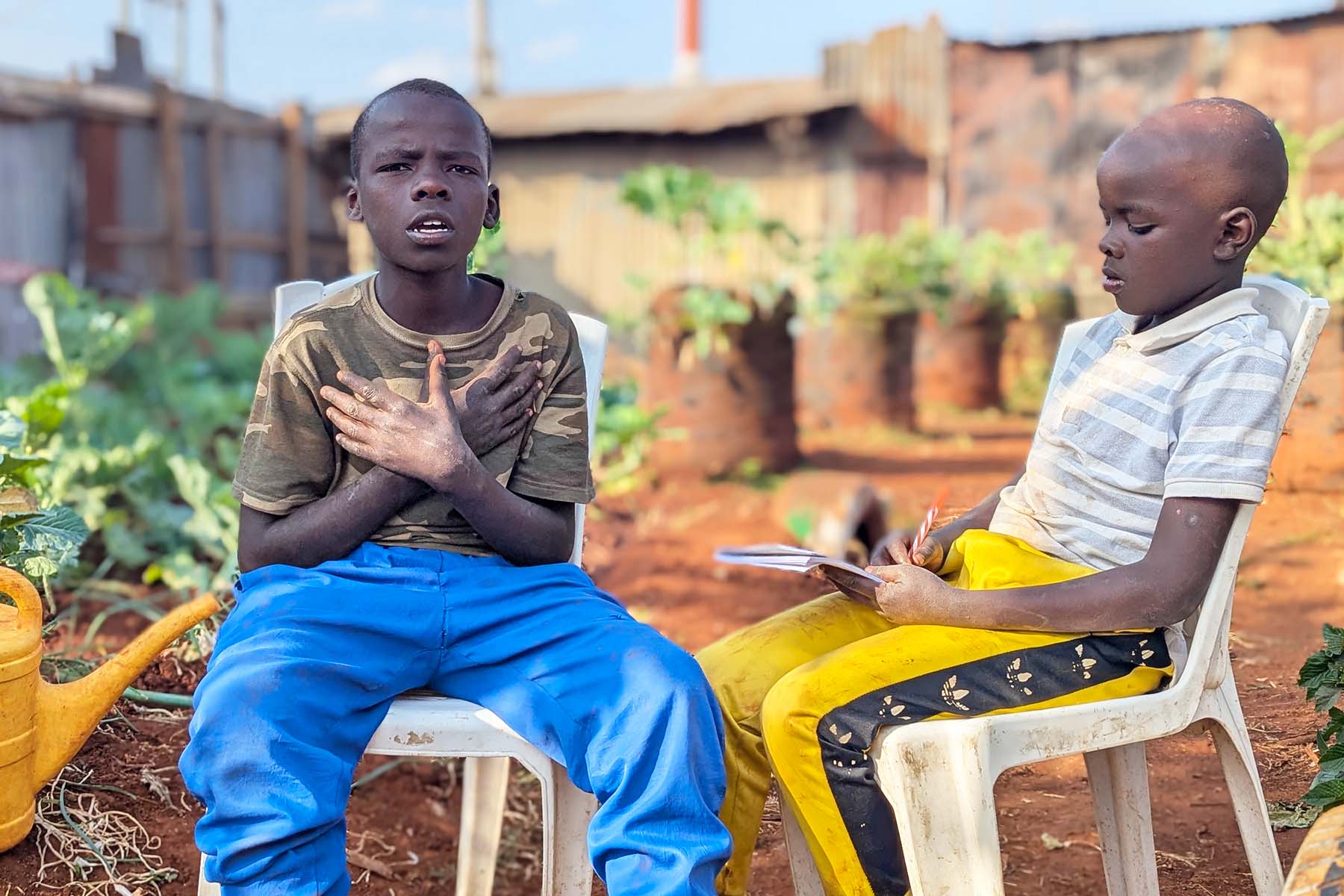
Kuria (L) and Njuguna (R) during the interview at the urban farm

My name is Kuria and I am 12 years old. I interviewed my friend Njuguna and although it was a bit challenging at first, I really enjoyed it. It felt great to hear him share our story and experiences at the urban farm.

Kuria: How old are you
Njuguna: I am 14 years old
Kuria: What activities do you take part in at the urban farm?
Njuguna: I help with planting, weeding, watering, pruning and harvesting kales, spinach and pigweed.
Kuria: How has the urban farm supported you?
Njuguna: The farm provides surplus vegetables for my family of seven, improving our diet and health. I am assured of at least two meals a day, which helps me focus at school without worrying about food.
Kuria: How has the urban farm supported your wellbeing?
Njuguna: The farm is a safe space where I meet friends, share encouragement and stay away from drugs and crime. The life skills sessions offered by Pendekezo Letu and farming have taught me resilience and not to give up. I hope the farm grows to support more children like me.

Kuria
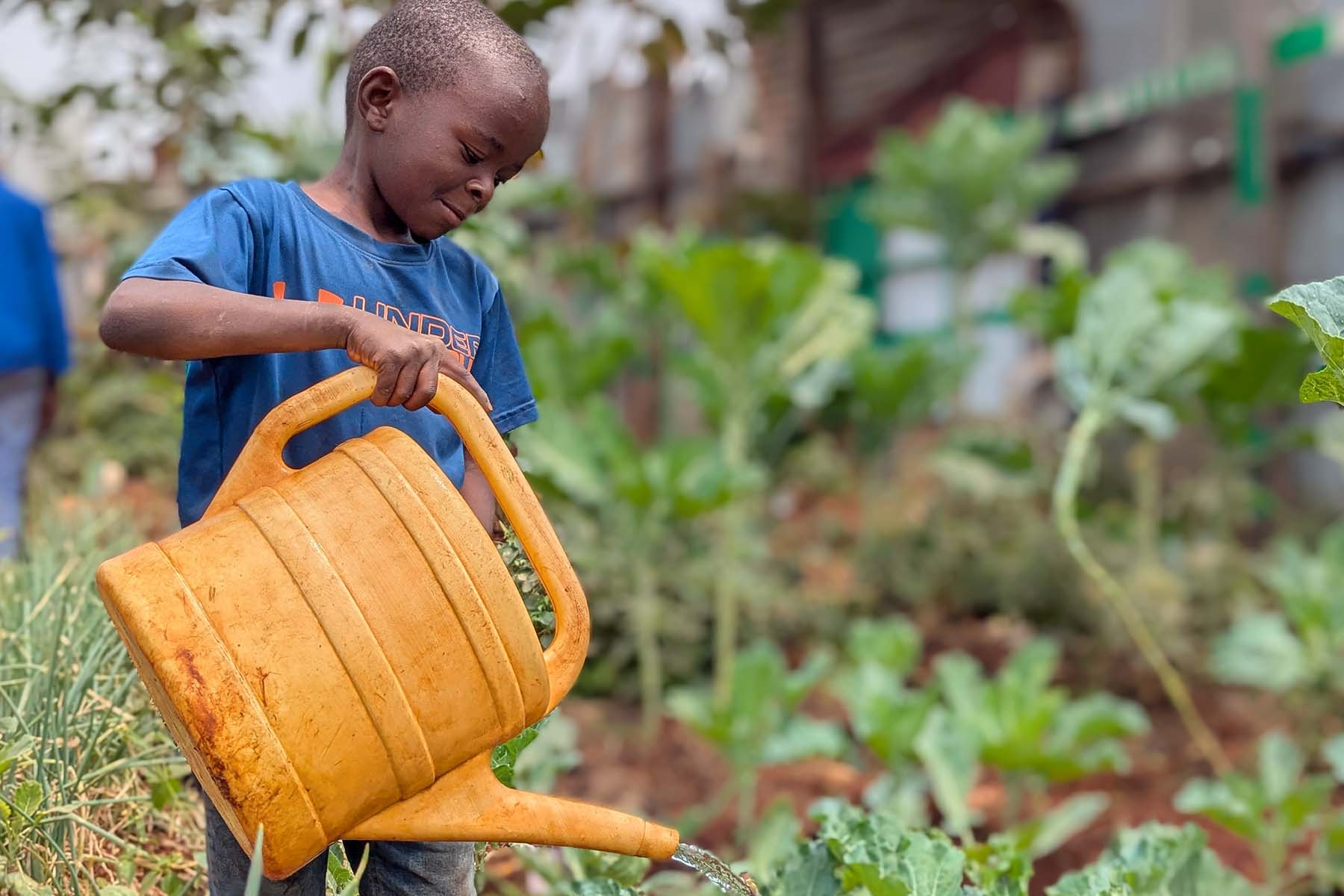
A project participant watering the plants at the urban farm
Kuria
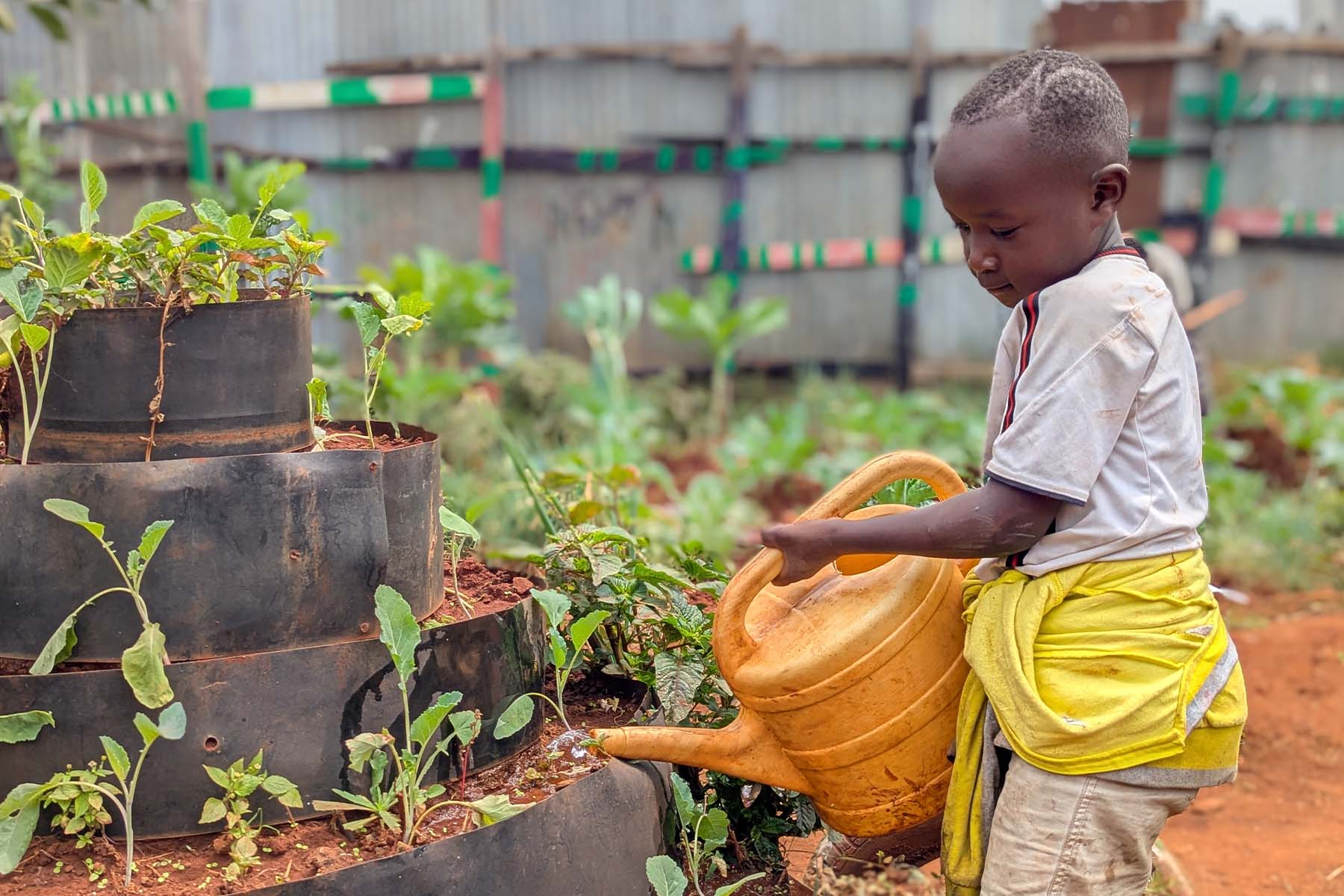
A project participant cares for the plants at the urban farm
Kuria
Kuria (L) and Njuguna (R) at the urban farm

My Journey Back to School

Written by Husnah

My Journey Back to School

Husnah

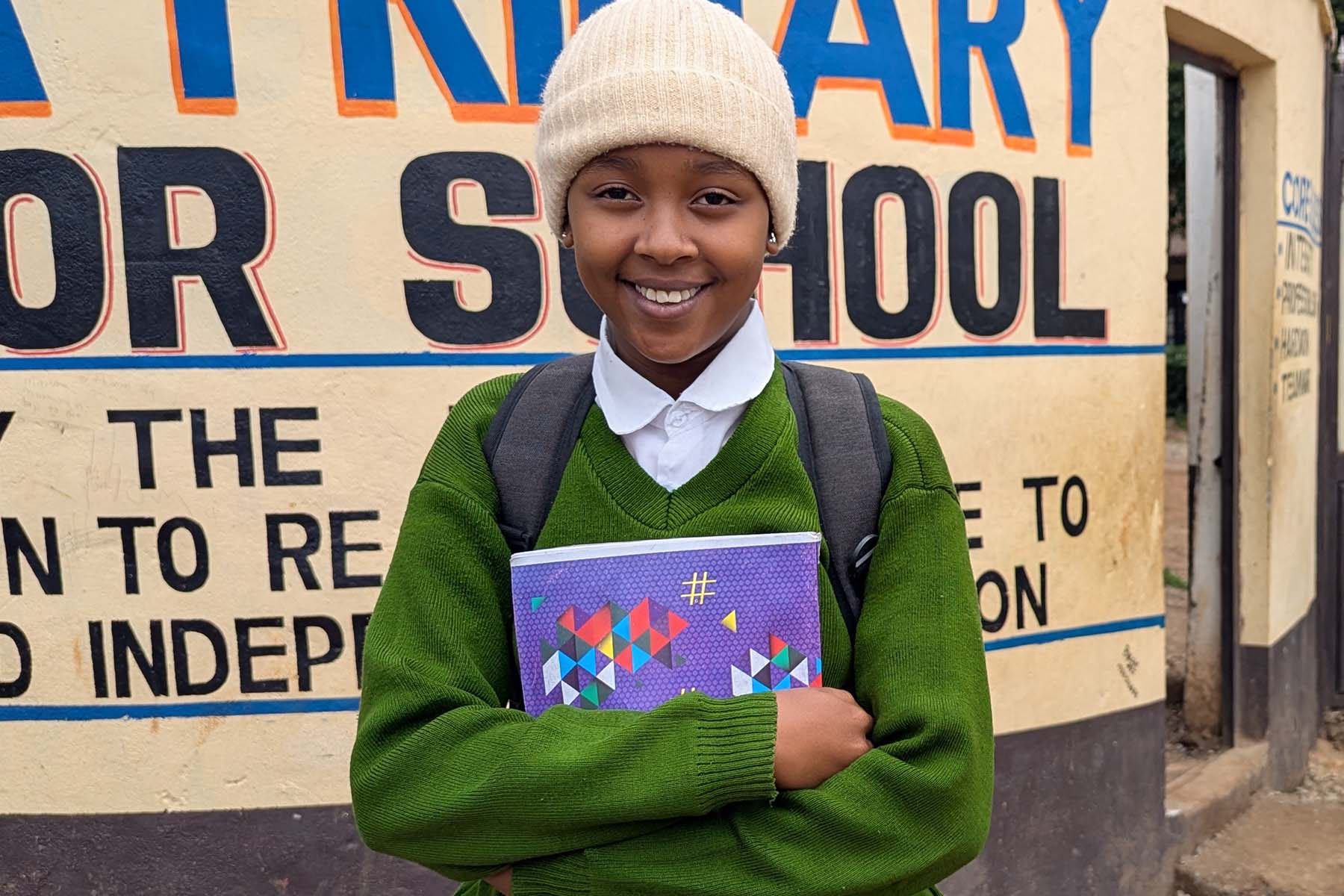
My name is Husnah. I am 14 years old. Before I met PKL, I was not going to school because my dad was not financially stable. I was living in the countryside with my aunt. I came to Nairobi to visit my dad. I joined classes teaching about children's rights. That is how I met PKL, and they took me back to school.

When I went to school I had only one goal - to fulfil my dreams. With PKL on my side they helped me stay in school.

I've improved my studies. I got the best grades and marks and I'm now in position five in class. Now I'm aiming for position one. I am grateful and very thankful to PKL. I would like PKL to support other children because they saved my future and helped me smile again. Children like me deserve to go to school and fulfil their dreams. Putting back a smile on their face means a lot. Thank you very much PKL for taking me back to school.

Watching school from the roadside: Hassan's second chance

Written by Hassan

Watching school from the roadside: Hassan's second chance

Hassan

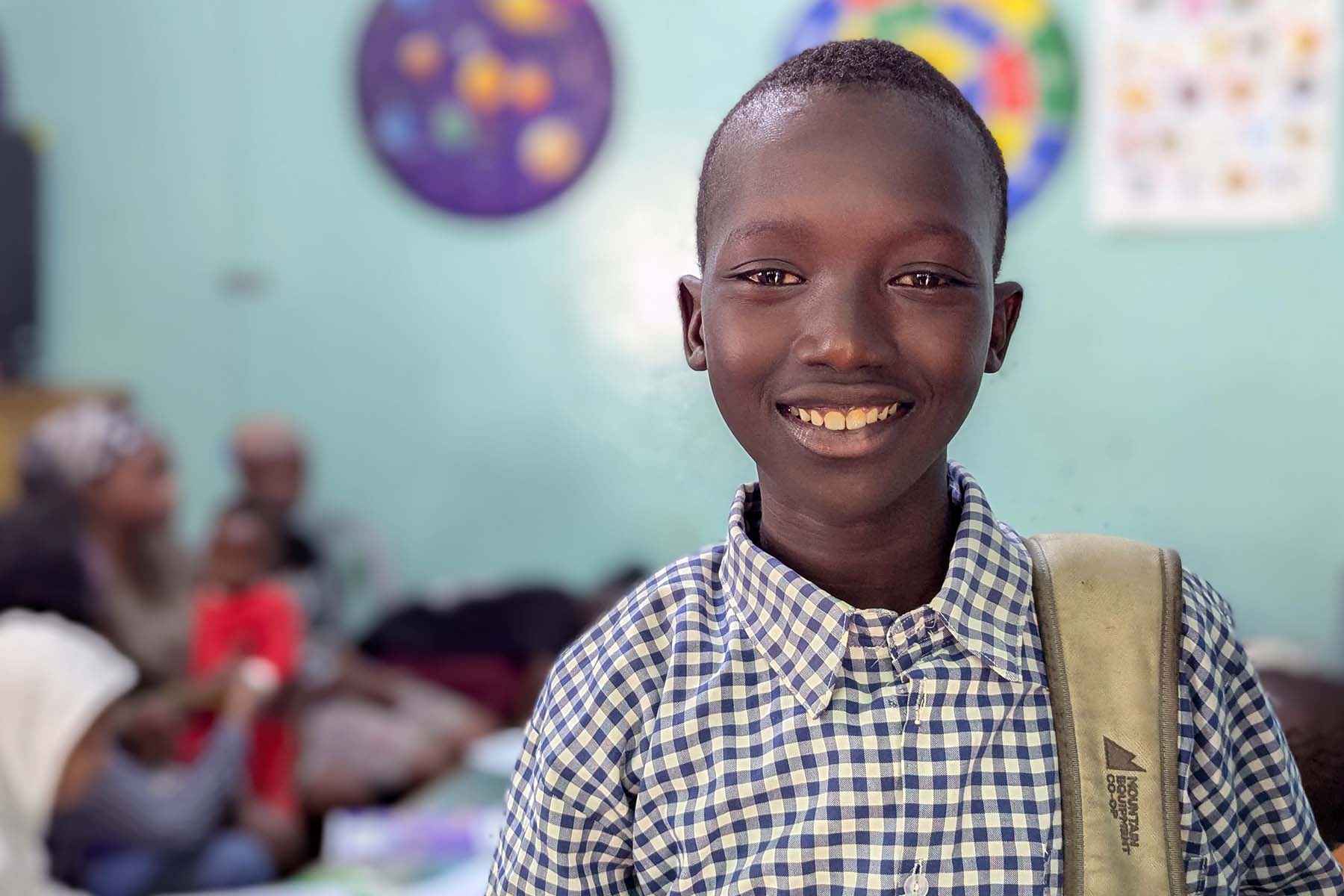
I am 13 years old and I live in Nairobi with my mother, four brothers and two sisters. Before, I was not going to school. I spent my days running errands for people, such as going to the shop or fetching water and they would pay me a little money.

I often sat outside watching other children in uniform on their way to school. I wished I could join them, but my family did not have the money.

One day, I attended a child rights and life skills session by Pendekezo Letu, where I met Pendekezo Letu's area Programme Officer. He asked me why I was not in school and later supported me to enrol at a local school in Grade 3. He even helped me get a school uniform. Now I am happy to be in school and working hard. In the future, I dream of becoming a soldier so that I can protect my country.

Unlocking Identity through Birth Registration

Written by Charles

Unlocking Identity through Birth Registration

Charles
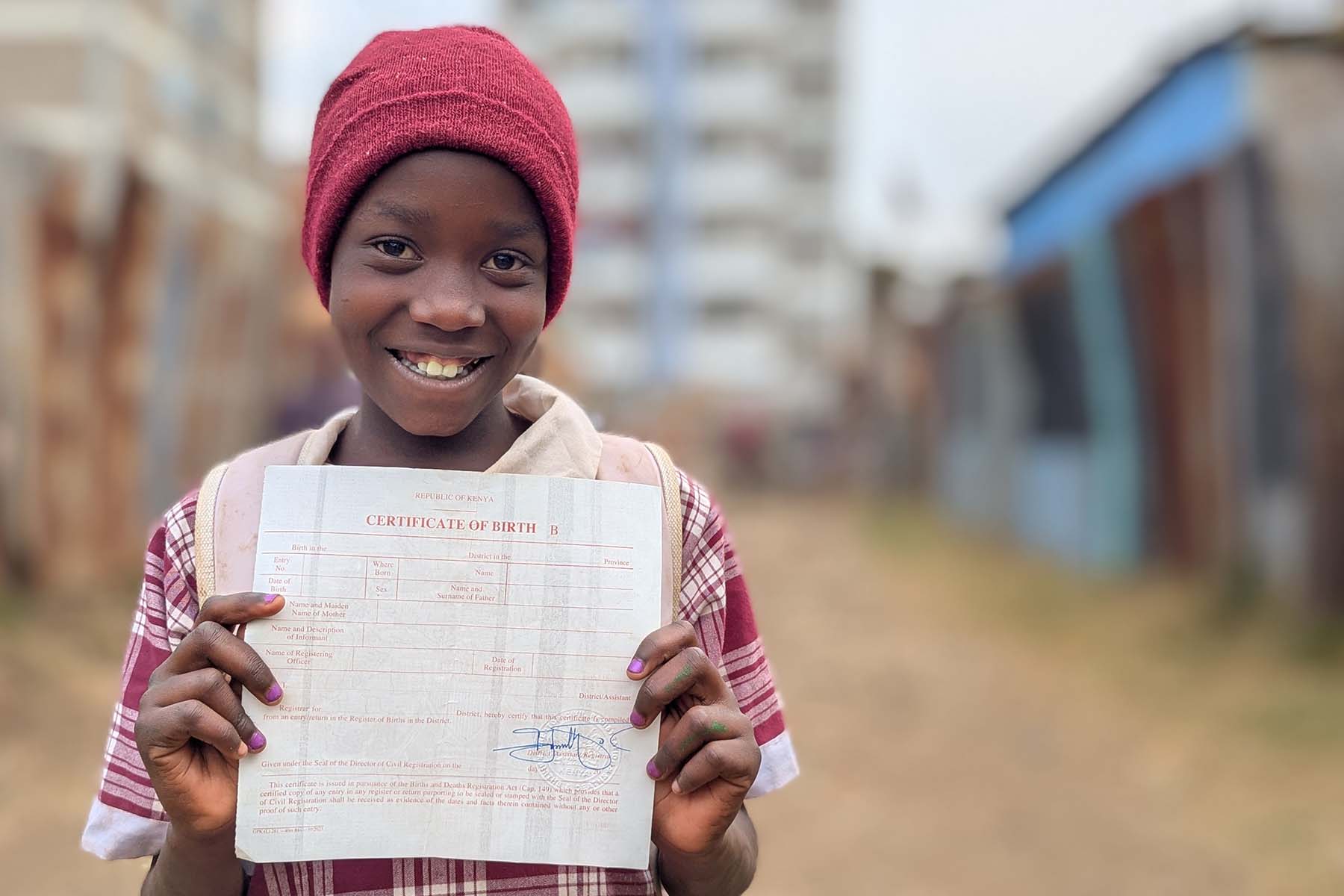
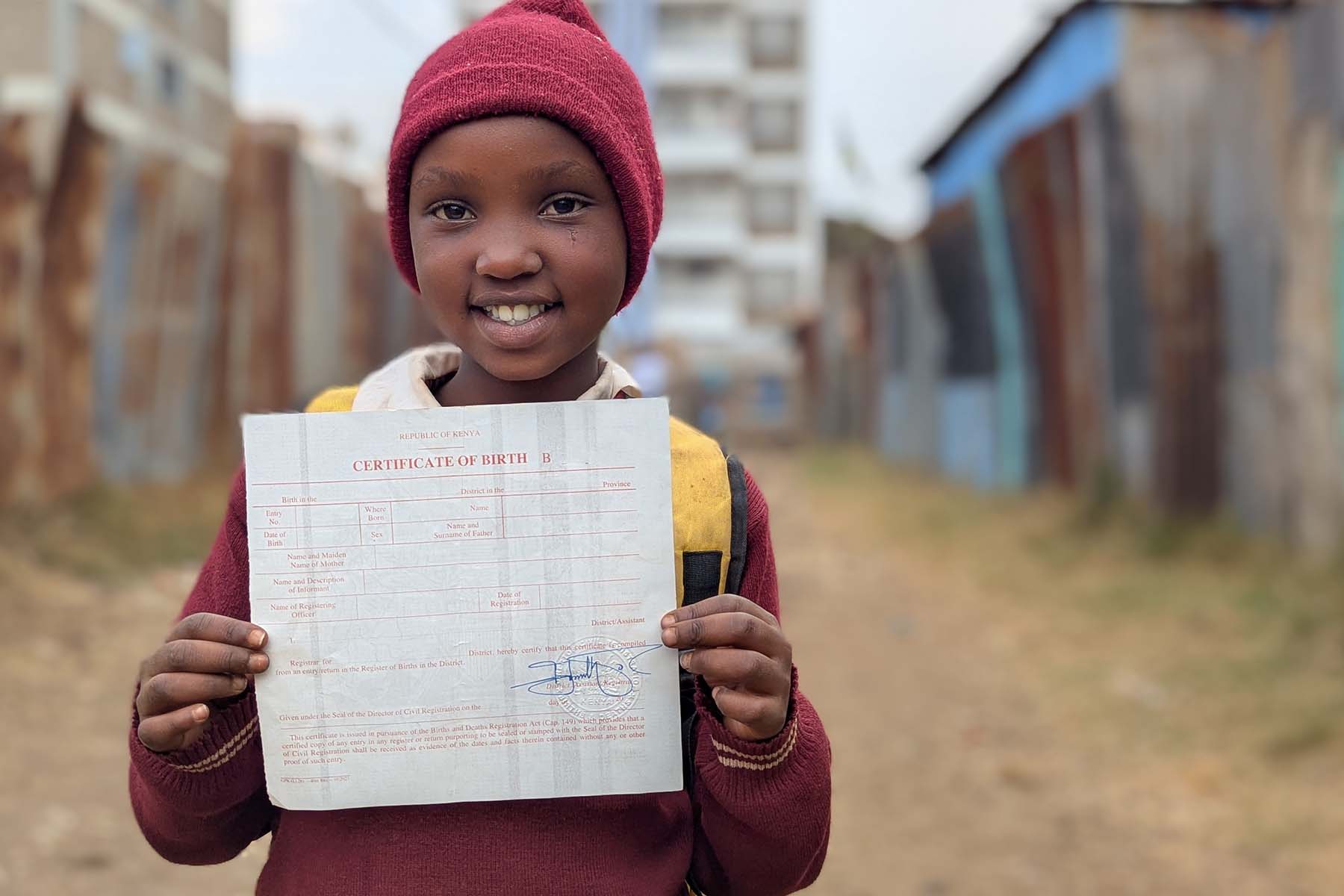
A project participant holds their birth certificate

My name is Charles, Child Protection Programs Officer for Pendekezo Letu. When I walk through the streets of Nairobi and meet children who call these places home, I am always reminded of the silent weight they carry, living without an official identity. Many of these children were never registered at birth, and for them, a birth certificate is not just a piece of paper; it is the very key that opens the door to education, healthcare, protection, and belonging.

At Pendekezo Letu, we have witnessed firsthand how powerful this simple document can be. I have seen children who once felt invisible suddenly beam with pride when holding their first birth certificate. It is in that moment that they realise they are recognised, that they matter, and that their future is worth fighting for.

The journey is never easy. Some children have no family records, others have parents who themselves were never registered, they lack the financial capability to pay for the application cost, many face stigma or fear in approaching government offices.

But with every hurdle, we walk alongside them advocating, supporting, and ensuring that no child is denied their right to identity.

What inspires me most is the transformation that follows. With a birth certificate in hand, a child can join school and sit for national exams, access health care and other social protection services, and dream boldly about tomorrow. They move from the margins of society into spaces where their rights are respected and their voices heard.

As you read these stories, I invite you to reflect on the meaning of identity. For the children we serve, it is more than recognition; it is dignity, belonging, and hope. Together with your support, we are not just filling out forms; we are unlocking futures.

Charles
A project participant holds their birth certificate

Greetings from Pendekezo Letu!

Written by Esther

Greetings from Pendekezo Letu!

Esther
The participants during the development of the magazine

My name is Esther Mwangi, Executive Director of Pendekezo Letu. As we reflect on our journey with Toybox, we remain inspired by the resilience of children and youth in street situations and their families. Our collective efforts continue to empower them to lead dignified lives through strengthened livelihoods, strengthening child protection systems and access to justice

One of our greatest achievements this year has been the successful implementation of the Wezesha (Enable) Project, which has enabled over 600 street-connected children and youth in Nairobi to access psychosocial support, education, mental health support, life skills education and pathways to economic empowerment.

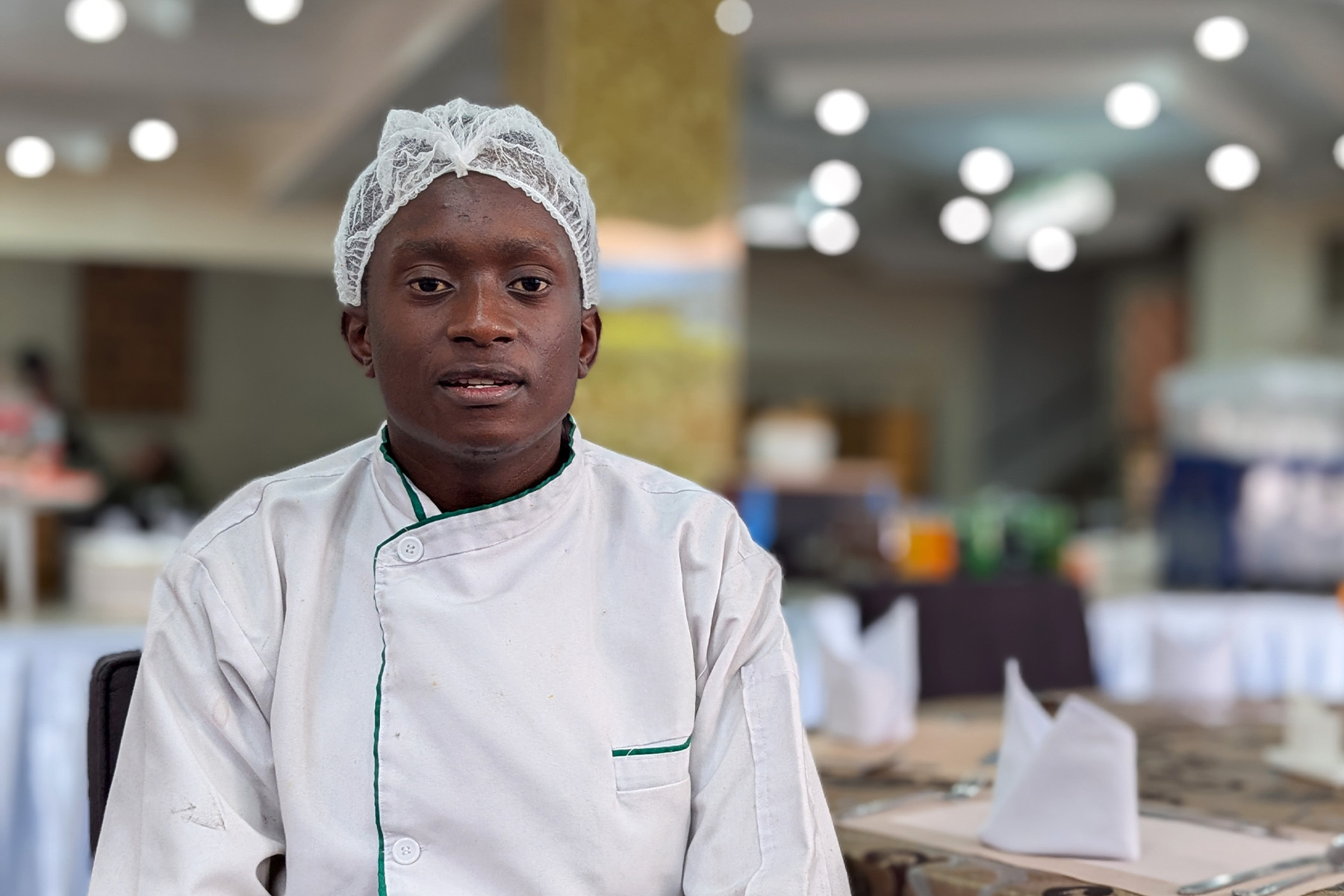
57 young people have transitioned from life on the streets into vocational training or dignified work.
Esther
A skills trainee during an internship at a local restaurant

Identity documentation remains a critical enabler of dignity. We assisted 386 children to obtain birth certificates and 170 youth to acquire national Identity Cards, opening doors to education, healthcare, employment, social protection and civic participation. Through our access to Justice program, 633 children and youth have been supported through diversion, mediation, legal awareness and legal representation ensuring they not only have restored hope but also prevented countless children from entering or remaining in the criminal justice.

Pendekezo Letu also stood alongside families affected by floods. Through our emergency response interventions, we supported displaced families to resettle with dignity, provided micro grants to help caregivers restart destroyed businesses and re-enrolled children back into education. These efforts, reaching over 400 project participants, have ensured that disruption did not mean despair, and that children could regain stability and hope for their futures.

Esther
Kuria (R) and Njuguna (L) at the urban farm during the interview process for one of the magazine stories

We have equally embraced urban farming with children and youth, equipping them with practical agricultural skills, promoting food security and greener cities. Many children are now able to grow vegetables and contribute to their families' nutrition while learning sustainable practices that can support their futures.

As we look ahead, we remain steadfast in restoring hope, dignity and opportunity to street-connected children and youth in Kenya. Together, we are building a future where every child has the chance not just to survive, but to truly flourish.

Sign up

Get
Updates

Discover how supporters like you are changing the lives of street children around the world with regular updates by email or post.

Updates include:

  • Street Life magazine
  • stories from street children
  • news from our programmes around the world
  • additional ways you can add your support
Get regular updates