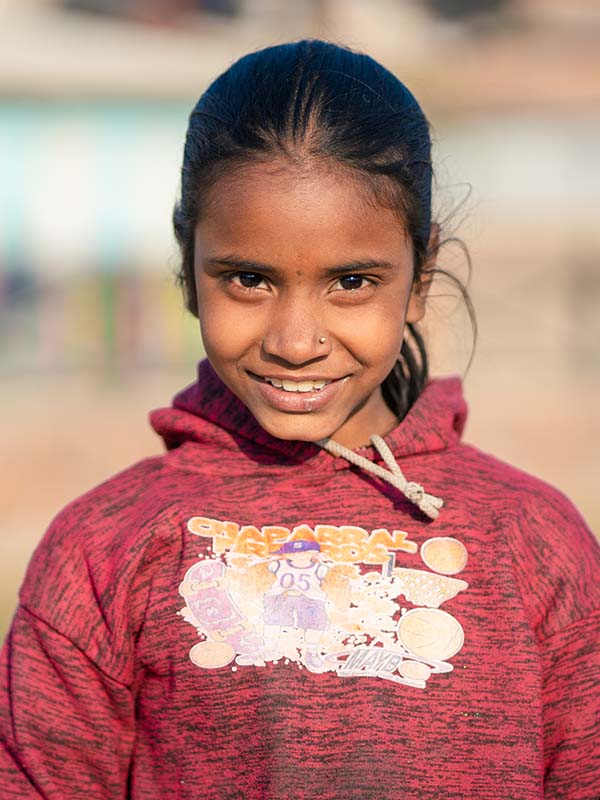
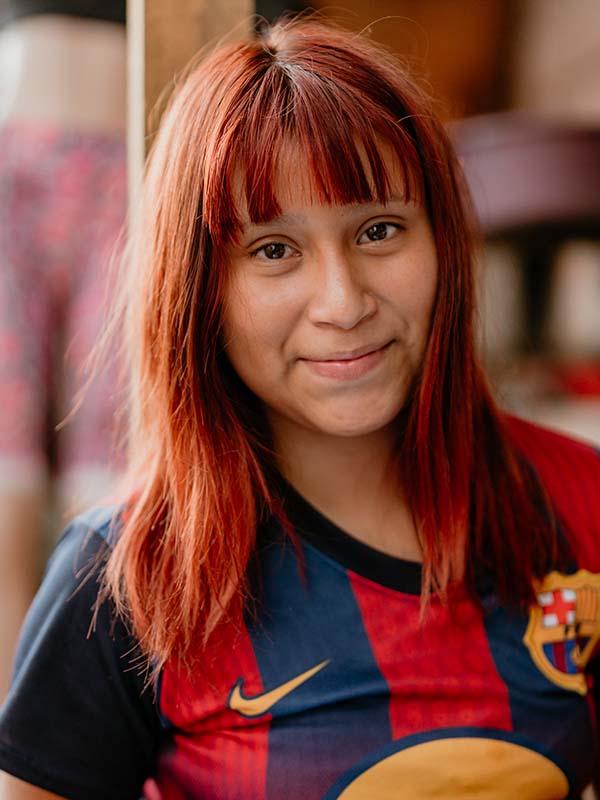
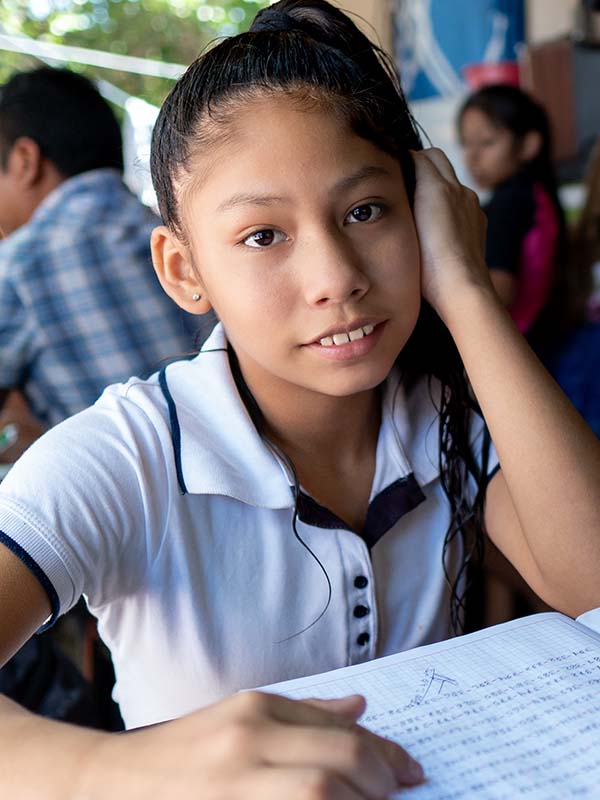
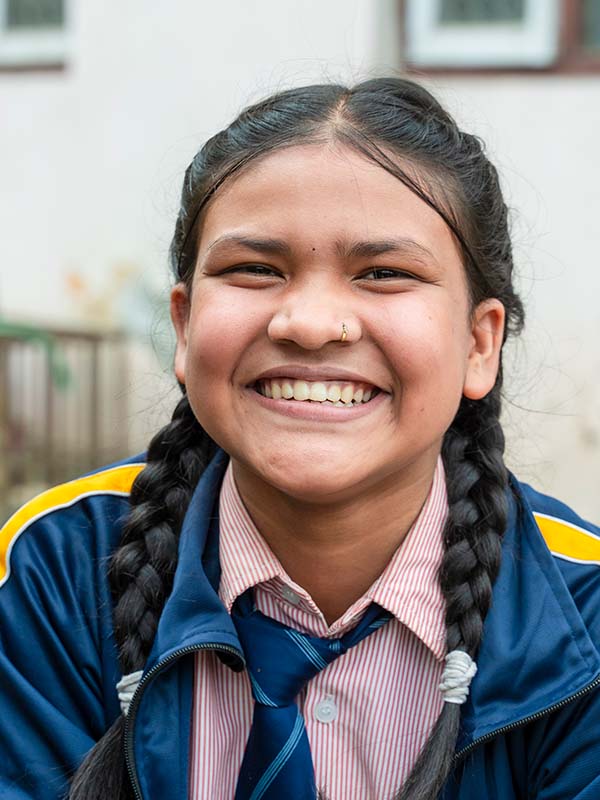
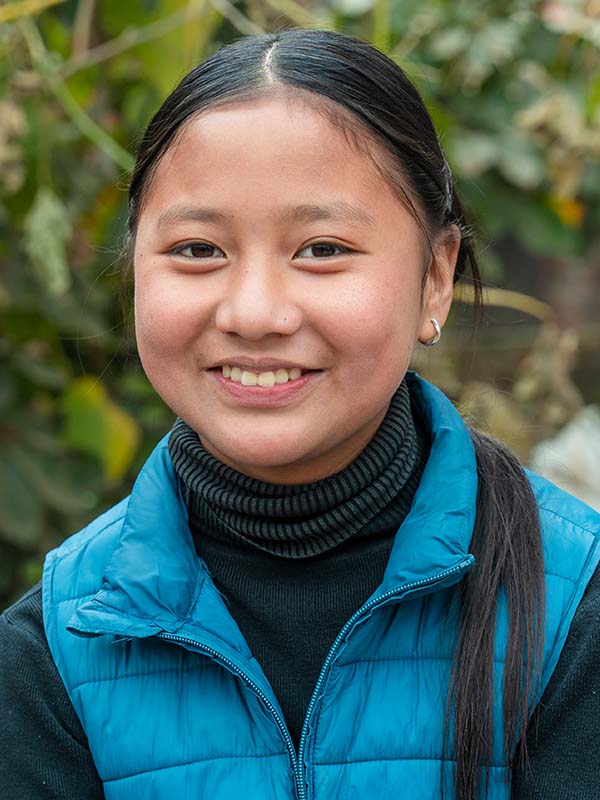
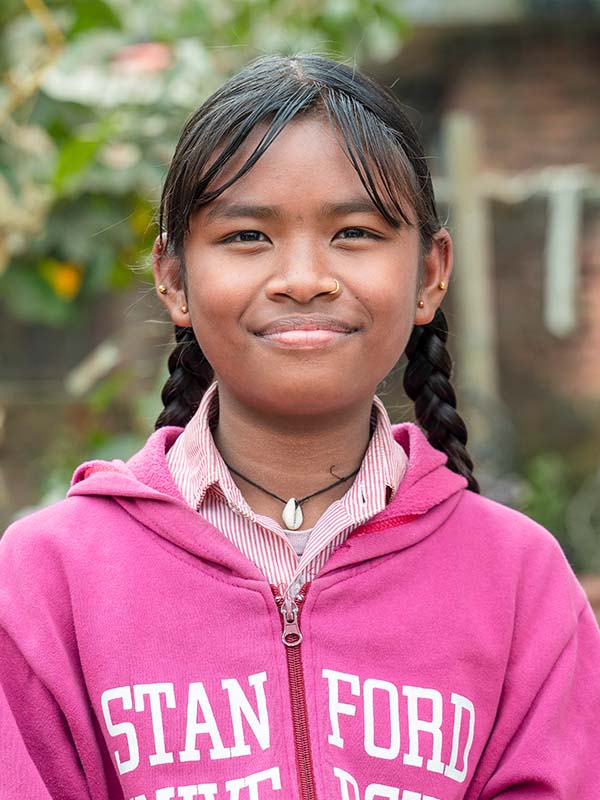
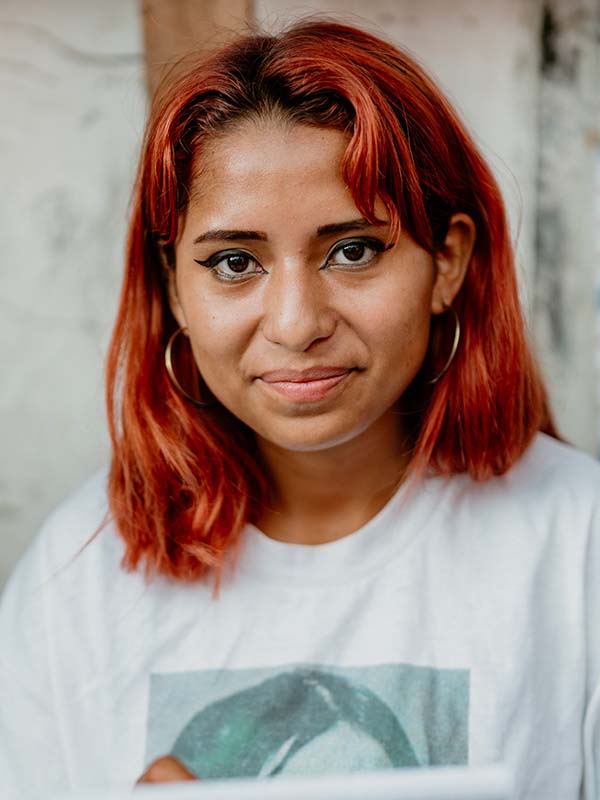
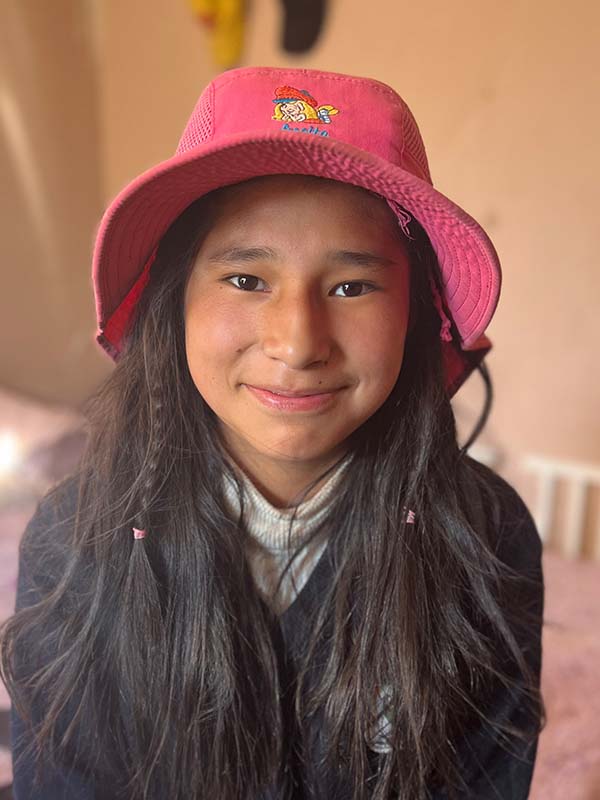
For many girls and young women on the street, starting their period is a time of stigma and shame. They can't talk about it with their parents, or each other. And they don't learn about it in school.
Most can't afford sanitary products. Instead they use old rags, newspaper or even bits of cardboard. They have little access to running water or clean toilets.
Many stop attending school out of embarrassment or fearing humiliation. Instead, they spend their days on the streets, at risk of sexual abuse, child marriage, violence and trafficking.
Give a period packThis Easter, you can provide them with everything they need to take control of their periods.
Each period pack contains sanitary pads, underwear and a mini-hygiene kit, helping girls and young women to manage periods safely and with dignity.
Your support also allows our partners to provide menstrual health education and awareness sessions, counselling and emotional support, first aid services, access to safe spaces and more.
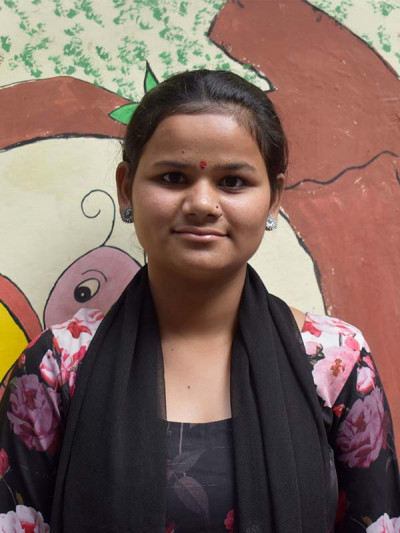
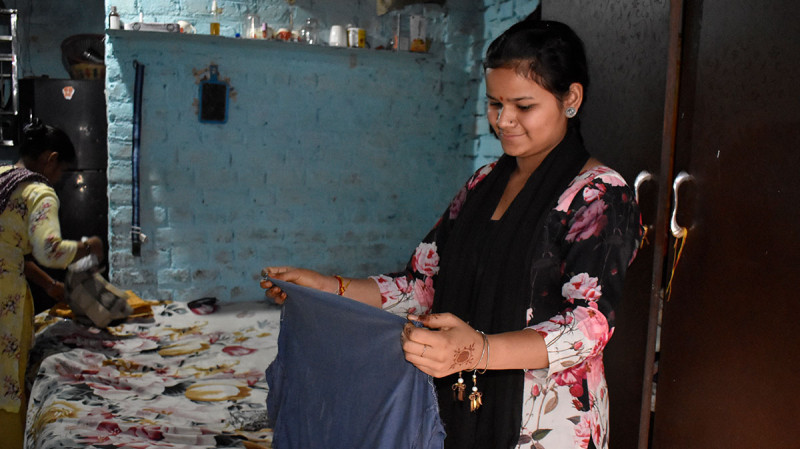
Give a period packAnu is 16 years old and lives with her parents and siblings in a densely populated informal settlement in an industrial area of Delhi. The community is home to thousands of migrant families living in cramped housing with limited access to sanitation, clean water and public services. Most households rely on daily-wage labour, and families share overcrowded public washrooms. Privacy is scarce, particularly for girls managing their periods.
Before joining the Period Poverty Initiative with Toybox’s partner CHETNA, Anu’s experience of menstruation was shaped by silence and fear. She followed strict rules during her period. “Earlier, I used to miss school during my periods, avoided washing my hair, and followed many food restrictions,” she says. She was especially afraid of boys knowing anything about menstruation, fearing ridicule and shame.
Through CHETNA’s period awareness raising sessions, Anu began to learn about menstruation in a different way. She learned that periods are natural and that many of the restrictions she had followed were based on myths.
“Now, I don’t miss school anymore, I eat everything I want, and I don’t believe in those old restrictions. My thinking has completely changed.”
Access to information and safe menstrual products has helped Anu manage her periods with more confidence, even in a community with limited water and sanitation. She receives sanitary pads every month through school and the Toybox-supported project, and now understands how to use and dispose of them safely. This knowledge has helped her feel prepared and less anxious during her cycle.
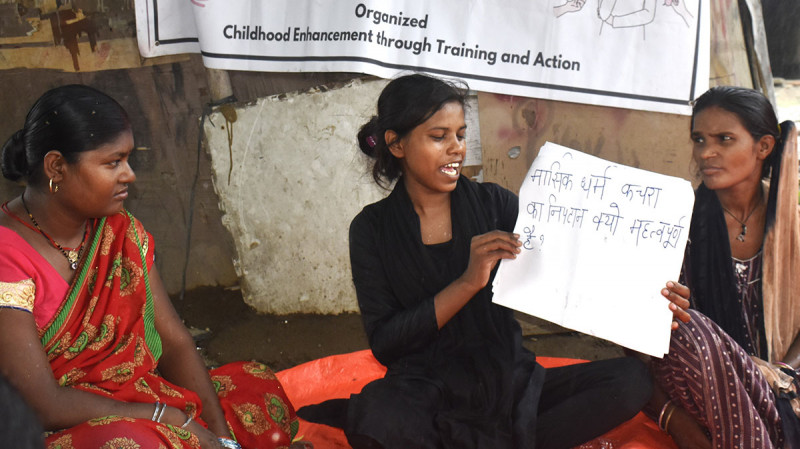
One of the biggest changes for Anu has been finding her voice. “Earlier, Anu was shy and hesitant to talk about menstruation,” says a street educator working with her. Now, Anu no longer feels uncomfortable discussing periods and has begun leading sessions herself. She enjoys answering questions and explaining how pads are used, saying these moments make her feel proud and capable.
Anu says the project has changed her life. “My life has changed a lot since I started coming to the project,” she explains. Where she once felt restricted and confused, she now feels confident staying in school during her period and talking openly about her body. “Knowing this has helped me feel more comfortable with myself.”
Looking ahead, Anu dreams of becoming a teacher. She wants to make learning fun and accessible for children like those in her community and hopes one day to open a small tuition centre to support others who struggle to access education.
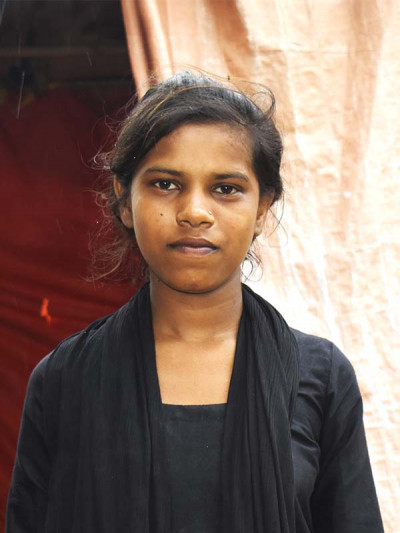
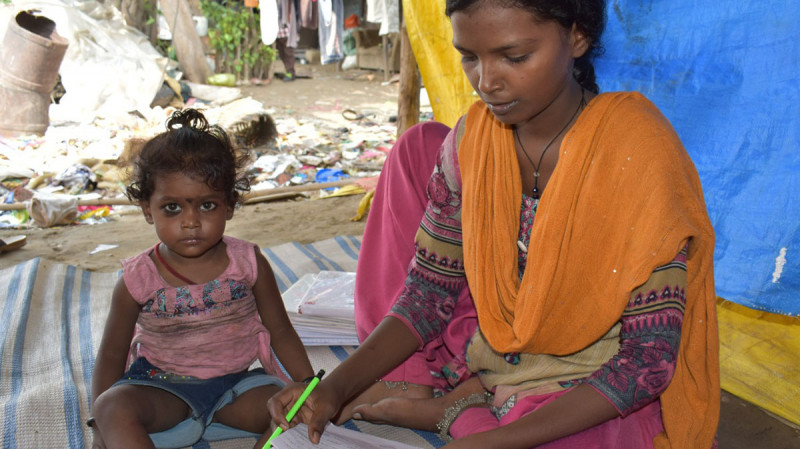
14-year-old Dhara lives in a roadside slum community in Delhi, India, where her family earn a living through rag-picking. The road to her home is unpaved, flanked by piles of rubbish and tarpaulin shelters. Basic services like clean water and toilets are absent.
Through Toybox’s partner CHETNA, Dhara joined an education project aimed at supporting street children. With their help, she enrolled in school for the first time and began participating in support groups focused on health, education and life skills as well as workshops about Child Rights.
Here, in her own words, she shares about her life has changed since joining the project:
“My parents work as a ragpickers, and I help them in sorting all the materials so that they can earn more money. When I joined the project, I was not enrolled in school. However, with support from CHETNA, I was able to get enrolled. Now, I take part in various meetings, including support group sessions, life skills workshops and sports activities like Kho-Kho.
“I really enjoy the meetings held at our centres because I've learned a lot from them, such as understanding the concepts of good touch and bad touch, the rights of children, the child helpline number 1098 and the ambulance number 102 for medical emergencies.
“Now that I am enrolled in school, my communication skills have improved. I can speak more politely, confidently, and respectfully. I have also learned time management, which helps me complete my tasks on time.
“I want to study well, get good grades and have access to proper food, as well as clean and neat clothes. In the future, I want to become an astronaut to explore the world beyond the sky and see what it looks like from space.”
For Dhara, learning about her rights also means understanding how to take care of herself and stay safe during her period - something she had never been taught before.
In many parts of the world menstruation is still a topic that is often not openly discussed. Cultural traditions and long-held beliefs can shape how periods are understood and managed. In some communities, girls are not allowed to take part in certain activities - such as attending religious events or entering the kitchen - during their periods. Without access to clear information, hygienic products or private facilities, managing menstruation can be difficult. For many girls, this leads to missed school or even dropping out entirely.
Dhara knows reality this all too well. When her period started, she found herself confined to the house, excluded from everyday life. But she’s clear that she doesn’t want her period - or the silence around it - to limit her. Instead, she’s sharing what she’s learned with other girls in her community and encouraging them not to feel ashamed:
“My menstruation cycle started six months ago. During it, I'm not allowed to leave the house or participate in religious activities. I feel bored because I’m not allowed to go outside. The restriction keeps me at home, which can be lonely.
“We live in an open space without proper homes and there are no washrooms in our community. This makes it extremely difficult for me to change my pads. I feel exposed to unwanted attention as strangers can see us at any time.
“I am using the sanitary pads provided by CHETNA which I received during a session on period poverty. Their support has been crucial in helping me manage this new phase of my life. I feel comfortable using them.
“It is crucial to educate everyone on how to use sanitary pads properly, rather than creating fear around it. Menstruation is a natural part of life and there is no shame in it.
“If I were Prime Minister, I would ensure the distribution of free sanitary pads to all women and children. I would also focus on building washrooms and providing nutritious food for children.”
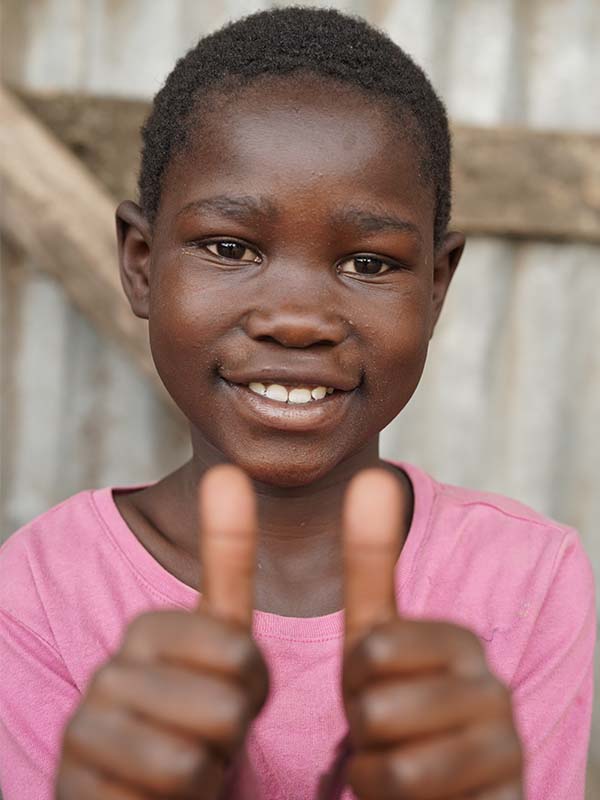
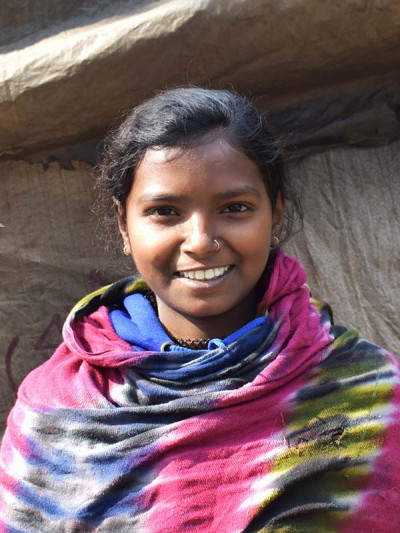
13-year-old Dina has been living in Delhi for the last ten years along with her family who migrated from the district of Bihar. She lives with her mum, dad and three siblings. Her father works as a ragpicker, earning around Rs 200/300 per day (approximately £2- £3 per day), which makes daily life for the family a real struggle.
When Dina first started her periods, her mother helped her to understand the changes that she was experiencing. Dina explains;
“During my periods my mother gives me pieces of clothes - I use only that. The place I live has no washroom facilities and people defecate in public. Whenever I need to change my pad I have to go to the nearby bushy areas. I often feel scared because the area itself is not safe. We don’t have easy access to water. To fetch drinking water every day we have to walk approx. 1.5 to 2 km. The water available at the nearest point is not good for us and it's salty in nature.”
Through a Toybox-supported project in Delhi, Dina has been regularly attending educational support classes. Through her attendance at the project Dina and her classmates have learned about a wide range of issues including menstrual hygiene, helping young girls to understand the physical and mental changes that occur in a female body.
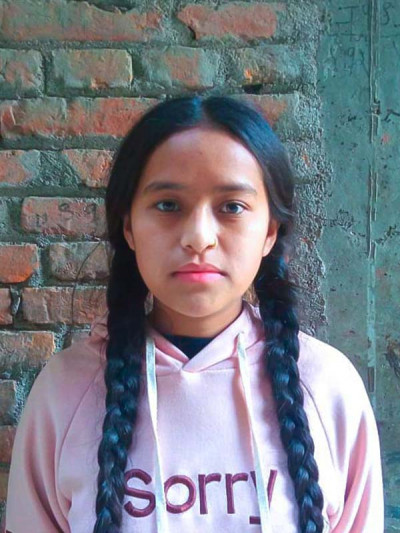
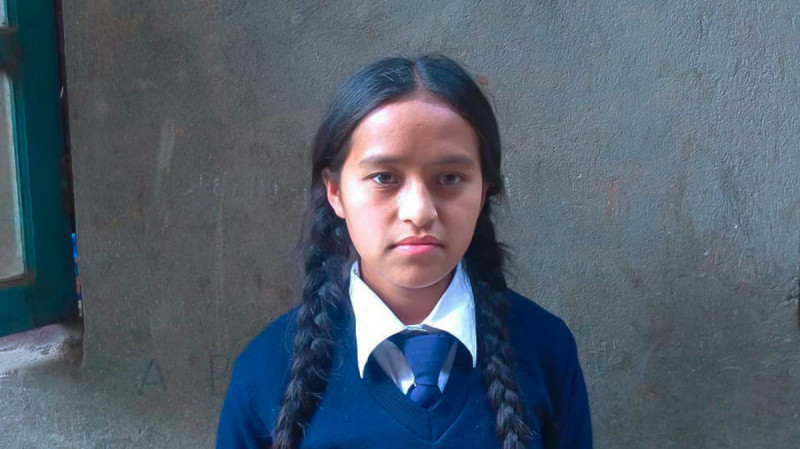
16-year-old Feba lives in Kathmandu with her parents, two sisters and one brother. Even though both her parents work as a daily labourers, they are unable to earn enough to support the family or cover even the most basic requirements.
Menstruation is a natural part of the reproductive cycle. However, in many parts of Nepal, it remains taboo, stigmatised, and rarely discussed. This means that menstruation is often misunderstood or managed ineffectively. This can have a negative impact on a girl’s well-being, including her school attendance and learning opportunities.
Feba had never learnt about menstruation, so when her periods first started, she was shocked when she noticed the blood for the first time. She plucked up the courage to speak to her parents, at which point she started using cloth as protection, but this caused Feba to get infections which caused her great discomfort.
The discomfort that came with her periods meant that Feba wasn’t able to focus on her studies and before long, she was skipping classes because she couldn’t manage her periods at school. Feba rarely had access to good sanitary protection due the cost. Instead, she was forced to rely on using any cloth she could find, as well as wearing several pairs of trousers - neither option gave her the protection she wanted.
Thankfully, Feba met Toybox's partner SathSath's staff who were able to support her and a group of other girls to learn about menstrual hygiene and period health. The girls were able to access free sanitary products to help them manage their periods better and learn all about their monthly cycles.
“I would like to express my gratitude to the SathSath team for their continuous support, constant inspiration, and guidance in helping me grow as a person every day. Period education is something we really need to discuss with every girl, to break the silence with girls like me.”
Feba is still the same determined girl she always has been, but through the support of the project she is now able to focus on her studies and obtain good grades - even when she has her period. Feba and her family are happy that she can continue her education without leaving it behind while helping her parents as well.
Feba still regularly comes to SathSath’s Learning Centre and is motivated by the staff who help her make plans to support her future. She also loves to help the other children out as well so they can make changes in their lives and look forward to brighter futures.
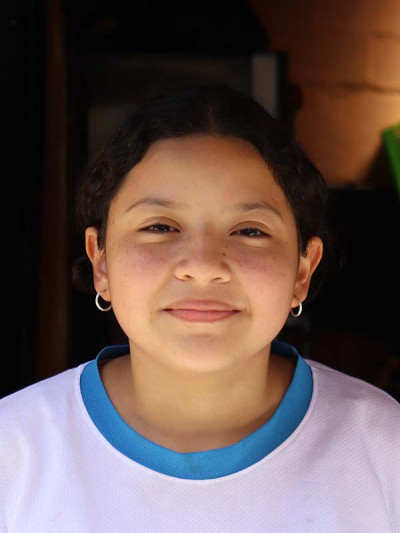
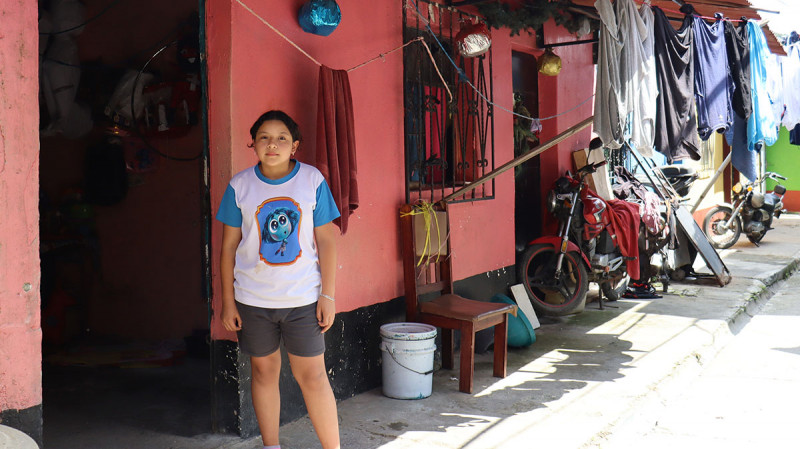
Laura is 11 years old and lives with her parents and older brother in Santa Faz, Guatemala. Her community is close to an informal settlement where access to basic services is limited. Public toilets are scarce, often dirty, and frequently without water or paper. For girls like Laura, managing menstruation in these conditions can be difficult and stressful.
When Laura began her period, she was surrounded by confusion and misinformation.
“The older ladies tell me to stay calm, that my periods will stop when I turn 30 and that when I have my period, I am ill.”
These messages made it harder for her to understand what was happening to her body and how to take care of herself.
Before joining Toybox partner CONACMI’s Espacios de Esperanza (Spaces of Hope) project, Laura’s parents describe a period when she spent much of her time in bed, with little motivation and frequent low mood. Laura remembers, “I stayed in my bed doing nothing, I didn’t feel like getting up.” As she entered puberty and began menstruating, uncertainty about her body added to this sense of isolation.
Laura explains that uncertainty is one of her biggest challenges. “I’m worried about when my period will come.” She worries about not knowing the date each month, about acne during her period, and she is still learning how often she should change her sanitary towel. When she has her period, she often avoids strenuous physical activity and sometimes asks not to take part in school sports or play with friends.
Through Espacios de Esperanza, Laura now takes part in workshops that combine education, care and safe spaces. She has learned practical information about menstruation and hygiene. “I have learnt the correct way to take care of my body and that I must be more careful with my personal hygiene,” she explains. She has also learned how to use a mobile phone app to track her menstrual cycle, helping her feel more prepared and less anxious about when her period will arrive.
Laura says the project has helped her feel connected to others. “Now I talk to the children and feel that I belong somewhere.” Feeling informed and supported has made a difference to both her wellbeing and her confidence during her period.
When asked what she would change for girls and women if she were president, Laura’s answer is clear: “I would give free sanitary towels to all girls and women, and also chocolates.”
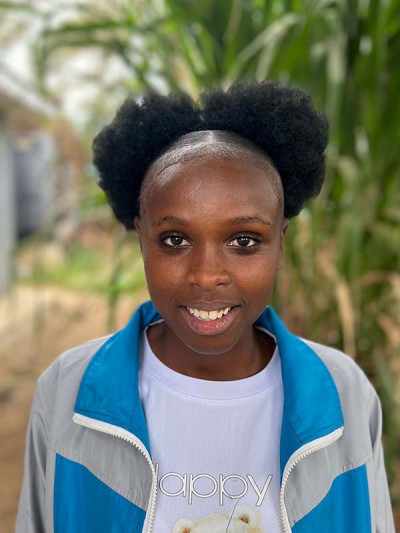
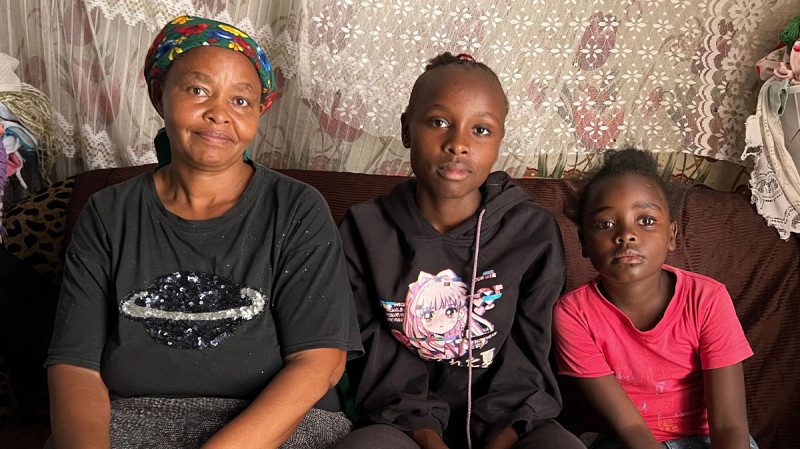
17-year-old Tavian lives in a densely populated settlement on the Eastlands side of Nairobi. She lives with her mother and three younger siblings, but spends part of her time on the streets, working during the day and sometimes sleeping there. As the firstborn, her siblings depend on her. “I joined the streets because I could not afford school fees. After dropping out, my mother had no means to support us, so I joined the other girls on the streets to help ease the pressure and stress of not being able to complete my studies due to poverty.”
Tavian helps her mother make beadwork and also collects scrap metals and plastics to sell. The income is never enough, but it helps meet basic needs and support her siblings.
When Tavian first started menstruating, managing her period was one of the hardest parts of her life. “It was hard, many times I used old torn clothes because my mother couldn’t afford the pads. Just washing them after use made my self-esteem go low and I felt unworthy.” Sometimes her clothes would stain, leaving her embarrassed while moving around the community or working.
Menstruation is surrounded by stigma in her community. “My community believes that people should not cook while on periods [or] plait other people’s hairs.” During her period, she faced discrimination from friends. “My friends would discriminate, embarrass or tell boys that I was on my periods,” she says. “I resulted to self-isolation until when I was done.”
“There are toilets, but they are not in good state, we do not have somewhere where we can dispose the pads. We rarely have water so staying clean and bathing on daily basis is also a problem.”
Through Toybox partner Pendekezo Letu, Tavian began attending outreach and sexual and reproductive health and rights sessions. “From the outreach sessions, I have gained knowledge about my rights,” she says. She also describes the sense of safety the project provides. “I now feel supported by someone who genuinely cares about me and other girls on the streets.” She also receives sanitary pads through the project, and her mother also buys a pack, when she can.
Tavian has learned how to manage her period safely and with dignity. “I have learnt hygiene, how to use and carefully disposing the pads, washing my pants and my body well to avoid infections.” She now supports other girls too. “The sessions have enabled me to train other girls in my community and caution them to not laugh or embarrass other girls while on their periods.”
Before joining the project, Tavian says, “I felt less worthy, stressed and unable to make any sound decision concerning my life.” Now she explains, “I am aware of my rights, I understand myself better.” During her period, she says, “I feel happy I can mingle with my friends freely because I understand it’s natural and biological.” Despite dropping out of school, she adds, “I now know there is still hope, and I can stand tall among my peers.”
When asked what she would change for girls and women if she were a leader, Tavian is clear. “I would ensure there is free distribution of sanitary pads for all girls and women in the country.” Looking ahead, Tavian hopes to enrol in vocational training to study cosmetology, find work, and “eventually improve the lives of my family, as I am the firstborn.”
You can learn more about the cookies we set in our cookie policy.
These cookies are essential for the website to function and are always on.
Whilst we do not show advertising on our site, we may collect data for ads measurement purposes.